Categories
myNewspress

Why earned media matters more in the age of AI

For years, digital communications have been dominated by owned media leading to heavy investment in websites, social channels, and SEO strategies designed to attract audiences directly. The logic was simple: create content, optimise it for discovery and drive traffic back to owned platforms.

But as AI begins to reshape how information is discovered and consumed, a new dynamic is emerging. In an environment where content is abundant and AI systems are responsible for interpreting and summarising information; independent validation is becoming increasingly valuable and there is a renewed importance for earned media.

The Challenge of Infinite Content

The internet has never contained more content than it does today as brands publish an abundance of articles, videos, reports, announcements, and commentary designed to demonstrate expertise and influence perception. Generative AI is accelerating that trend further, making it easier than ever to create content at scale.

This presents a new challenge for audiences; when information is so easily accessible everywhere, how do you determine what is trustworthy? The same challenge exists for AI systems that must identify signals that help distinguish authority from opinion, evidence from promotion, and expertise from noise.

This is where earned media becomes increasingly important.

Abstract AI network with trusted media sources validating a brand’s authority and credibility.

Why Third-Party Validation Matters

A company can describe itself as innovative, or as a market leader and publish detailed content explaining the value of its products and services. However, when independent journalists, industry analysts, respected trade publications, and subject matter experts support those same claims, they take on a different level of credibility.

Third-party validation has always been the gold standard in communications but now it carries even further wait in its role within digital discovery. When trusted external sources consistently associate a brand with a particular capability, technology or market position, those associations become stronger and more durable over time.

The Return of Earned Authority

Digital marketing conversations have focused heavily on owned channels with perceived success measured through traffic, rankings, engagement, and conversion. While these metrics remain important, they do not tell the whole story in an AI-driven information environment – brands now need to consider how they are represented beyond their own channels. To understand this level of representation is to understand how a brand is perceived in the wider information ecosystem, one that increasingly shapes how information is surfaced, interpreted, and trusted.

From Campaigns to Consistency

One of the most significant implications for communications leaders is the need to think beyond individual campaigns and consider cumulative evidence. A major product launch may generate substantial earned media coverage for a brief period, but sustained authority is typically built through consistent presence over time.

Regular commentary, expert insight, measurable proof points, and ongoing participation in industry conversations create a body of evidence that compounds. This is particularly important in complex industries such as automotive, aerospace, defence and advanced technology, where buyers, analysts and stakeholders often rely on multiple sources before forming opinions.

Supporting the Information Ecosystem

As earned media becomes increasingly important, brands are also re-evaluating how they support the people who create and share information. Journalists, analysts, and content creators work under intense time pressure. Access to accurate information, supporting assets and knowledgeable spokespeople can significantly influence the quality and consistency of coverage.

For this reason, many communications teams are investing in newsroom environments that make trusted information easier to access and use. A well-structured newsroom does more than distribute announcements. It acts as a central source of truth, helping external audiences find verified information, supporting materials and expert perspectives when they need them. The easier it is for credible third parties to engage with a brand’s story, the easier it becomes for that story to be understood, shared, and reinforced.

Measuring What Matters

The growing importance of earned media is also changing how success is measured – while traditional metrics such as media volume and reach still have value, but they reveal only part of the picture.

Communications leaders increasingly need to understand deeper questions:

  • Which themes is our brand most strongly associated with?
  • Are our proof points being repeated across trusted sources?
  • Where is competitor narrative momentum increasing?
  • Which topics are we leading, and which are we losing?

Understanding the quality, consistency and influence of coverage provides a clearer view of whether a brand is building the type of authority that compounds over time.

Earned Media's New Strategic Role

The rise of AI is not reducing the importance of communication; it is increasing it. In a world where content is limitless and accessible at our fingertips, credibility becomes scarce. Earned media provides something that owned content alone cannot: independent validation. That validation strengthens reputation, reinforces authority, and helps brands build a more resilient presence within the wider information ecosystem.

The brands that succeed in the years ahead will not be the most frequent publishers of content but those that direct focus on earning trust, supporting credible storytelling, and consistently reinforcing the narratives that matter most. Because in an age of AI, authority is no longer defined by what brands say about themselves – it is shaped by what others say about them.

Want to build authority through a newsroom designed for journalists and trusted sources? Click below to talk to us about a bespoke newsroom.

Categories
myNewspress

There is no second page in AI search 

For years, marketers and communications professionals have lived by a familiar principle: if you’re not ranking first, there are still gains to be found. 

A brand might appear down the page of search results and still generate meaningful traffic and awareness. Visibility wasn’t a case of all or nothing, users could browse, compare sources, and continue searching until they found what they needed but AI search is changing that dynamic. 

As AI-generated answers become more prevalent across search and discovery platforms, visibility is becoming increasingly concentrated among a much smaller group of brands. In many cases, users are no longer presented with dozens of options. Instead, they receive a single synthesized answer, often supported by only a handful of sources. For brands, that creates a new reality – there is no second page. 

Search Is Becoming an Answer Engine

Traditional search engines were designed to help users navigate the sprawling web, but AI-powered search tools are designed to reduce that navigation altogether. 

Rather than presenting a list of links, AI systems increasingly aim to provide the answer immediately. Whether the question relates to technology suppliers, market leaders, emerging trends, or product comparisons, users are often presented with a concise response that removes the need for further exploration. From a user perspective, this creates a faster and more convenient experience but from a visibility perspective, it dramatically narrows the field. 

AI search visibility concept showing brands competing to be included in AI-generated answers

The New Visibility Gap

In traditional search, visibility existed on a spectrum with a brand ranking in lower positions still having a chance of attracting attention. Appearing on page two of search was far from ideal, but it wasn’t invisible. AI-generated search introduces a much sharper divide – with a small number of brands referenced directly there is intense competition for what remains. This creates a widening visibility gap between brands that are consistently surfaced and those that are not. 

The brands most frequently cited become increasingly familiar to audiences, analysts, journalists, and decision-makers. Their authority grows as they are repeatedly associated with important industry conversations. Meanwhile, brands that fail to appear risk becoming absent from the discussions shaping their markets and losing relevance.  

Visibility Starts with Accessibility

As visibility becomes increasingly concentrated, brands need to think carefully about how their information is discovered, accessed and referenced. That applies not only to customers and stakeholders, but also to journalists, analysts and the wider ecosystem of sources that influence how industries are understood. 

For many communications teams, this is driving renewed investment in newsroom infrastructure that makes company information, assets, expertise and supporting evidence easier to find and use. Ite easier it is for trusted third parties to access accurate information, the greater the opportunity to be included in the conversations shaping a category. 

Why This Matters in Complex Industries

The effects of compressed visibility are particularly pronounced in markets where buyers conduct extensive research before making decisions. Prospective customers increasingly use AI tools to accelerate research and when those tools consistently surface the same brands, perceptions of market leadership can quickly become reinforced. 

Brands do not necessarily need to be the largest player in a category to become associated with leadership, they simply need to be among those repeatedly included in the conversations AI systems summarise. 

The Compounding Effect of Inclusion

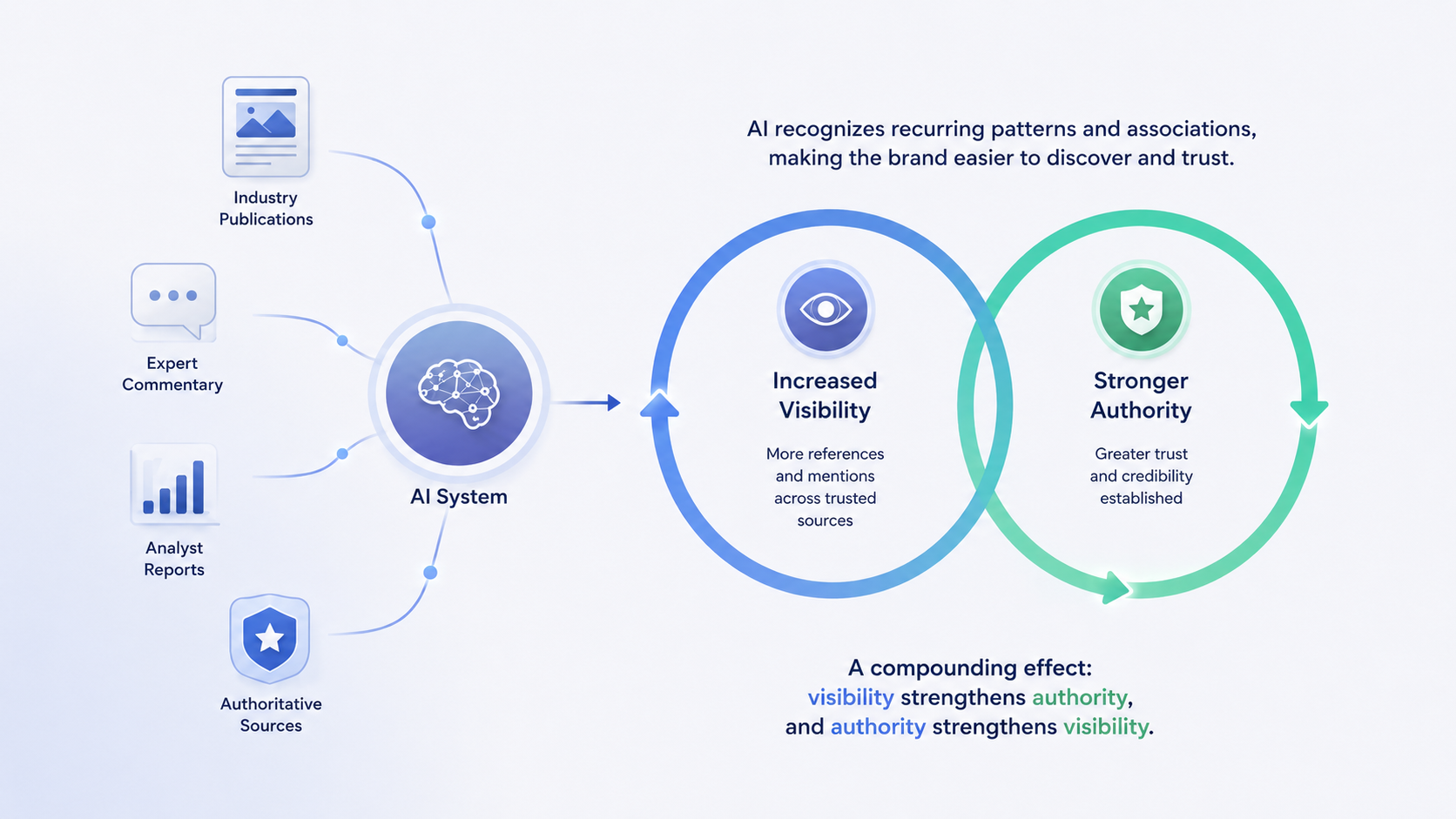
One of the most significant characteristics of AI-driven discovery is that success can become self-reinforcing. When a brand is frequently referenced across industry publications, expert commentary, analyst reports and authoritative sources, it becomes easier for AI systems to identify recurring patterns and associations. 

The result is a compounding effect in which visibility strengthens authority, and authority strengthens visibility. 

AI search visibility showing trusted sources feeding into AI systems and strengthening brand authority

Rethinking Communications Strategy

For communications leaders, this shift requires a broader view of what visibility means – success can no longer be measured solely by website traffic, impressions, or media volume. 

Increasingly, brands need to consider how they are represented within the wider information ecosystem. 

Key questions include: 

  • Are we consistently associated with the themes that matter to our customers? 
  • Are independent sources reinforcing our positioning? 
  • Are our proof points being repeated across trusted publications? 
  • Are we visible in conversations shaping our category? 

The answers to these questions may have a growing influence on how AI systems understand and represent a brand. 

Building for Inclusion

The emergence of AI search does not change the core fundamentals of robust communications, but what has changed is the potential consequence of being overlooked. As visibility becomes increasingly concentrated, brands cannot rely on simply publishing more content or improving rankings. They must focus on earning a place within the broader narratives that define their industries. That means investing in authoritative coverage, strengthening relationships with trusted media, providing journalists with access to accurate and usable information, and maintaining consistent positioning over time. 

In an environment where AI increasingly decides which voices are amplified, the objective is no longer to appear somewhere in the results – it is to be part of the answer. 

Want to make your brand easier for journalists, stakeholders and AI search to find? Click below to send your information

Categories
myNewspress

Why AI search is changing the rules of brand visibility 

For more than two decades, digital visibility has largely been a game of rankings. Brands have invested heavily in SEO, content marketing, and backlink strategies to improve their position on search engine results pages. Success was measured by how often users clicked through to owned content from a list of links, but that model is changing rapidly. 

AI-powered search is fundamentally altering how information is discovered and consumed. Instead of presenting users with a page of links to explore, AI increasingly provides a single synthesized answer and the implications for communications leaders are significant. 

In a world where AI generates the answer, visibility is no longer about being one of ten results. It’s about being one of the few sources AI chooses to include. 

The Shift from Ranking to Selection

Traditional search rewarded discoverability. If your content ranked well, users could find it, but AI search operates differently. When a user asks, “Which automotive manufacturers are leading autonomous driving systems?” or “Which companies are innovating in battery technology?”, AI systems don’t simply return a list of websites. They analyze multiple sources, identify common themes, and generate a consolidated response. 

What determines which brands appear in that answer?

A growing body of evidence suggests that AI systems consistently favour signals associated with credibility, authority, and consensus. 

These signals include: 

  • Independent validation from third-party sources 
  • Consistent mentions across reputable publications 
  • Expert commentary and attribution 
  • Verifiable performance claims 
  • Strong association between a brand and a specific topic 

The Rise of Credibility Optimization

A new discipline is emerging: credibility optimization. This isn’t to suggest the abandonment of SEO but instead recognizing that AI-generated discovery places greater emphasis on signals that indicate trustworthiness and authority. 

When AI systems evaluate which sources to trust and reference, externally validated information often carries greater weight than self-published claims. Earned coverage doesn’t just create awareness, it creates evidence. Every credible third-party mention helps reinforce a narrative about who a company is, what it stands for, and why it matters. 

The Compression of Visibility

Perhaps the most important consequence of AI search is the compression of visibility. In traditional search, users could explore multiple pages of results. Brands had numerous opportunities to be discovered, even if they weren’t ranked first. AI fundamentally changes that dynamic, as when the user receives a synthesized answer, only a handful of brands are typically referenced, and the result is a dramatically narrower field of visibility. 

Brands included in AI-generated responses can benefit from increased authority and exposure. Brands excluded from those responses may become effectively invisible for that query. As AI-generated answers become more prevalent, the gap between inclusion and exclusion is likely to widen. 

Why This Matters for Communications Leaders

For communications professionals, this shift represents more than a technological change, it changes how reputation influences discoverability. 

Historically, PR teams focused on building awareness, shaping perception, and supporting business objectives through media engagement. While these objectives remain important, AI search introduces a new layer to consider: influencing the information ecosystem that AI systems use to generate answers. Coverage in respected publications, expert thought leadership, measurable proof points, and consistent narrative positioning are no longer just reputation-building activities but discoverability assets.  

The Newsroom's New Role

As AI-driven discovery places greater emphasis on credibility and authority, the quality of information readily available to journalists becomes increasingly important. 

A modern newsroom does more than host press releases. It serves as a structured source of truth for media, analysts and other stakeholders, making it easier to access verified information, supporting assets and expert perspectives. 

The easier it is for credible third parties to understand, validate and report on a brand’s story, the stronger the signals that brand creates across the wider information ecosystem. 

A New Opportunity for Earned Media

For years, discussions about digital visibility have often centred on search optimization but AI search is creating a renewed appreciation for earned media as the systems seek ways to determine which claims are credible. In a digital environment flooded with content, trust becomes a scarce resource. 

The organizations that build credible, consistent narratives across trusted media outlets are not simply improving their reputation. They are increasing the likelihood that AI systems will recognise and reinforce their authority. 

The Future of Visibility

AI search is still evolving, but one trend is becoming increasingly clear: visibility is no longer determined solely by what brands publish about themselves, it is increasingly influenced by what trusted sources say about them. 

The brands that succeed in the next era of search will not simply produce more content. They will focus on building stronger credibility signals through authoritative coverage, measurable proof points, and consistent market positioning.  

For communications leaders, that means investing not only in the stories they tell, but in the systems that help those stories travel further. Earned media programmes, robust newsroom infrastructure, and effective media intelligence are increasingly becoming strategic assets in a world where credibility drives discoverability. 

Because in an AI-driven world, visibility is no longer about ranking, it’s about being selected. 

Want to make your brand easier for journalists, stakeholders and AI search to find? Talk to us about building a smarter newsroom.

Categories
myNewspress

AI is changing how brand information is found and why newsrooms matter more than ever

From Media Hub to Multi-Stakeholder Influence Engine

AI is changing how brand information is found and why brand newsrooms matter more than ever.

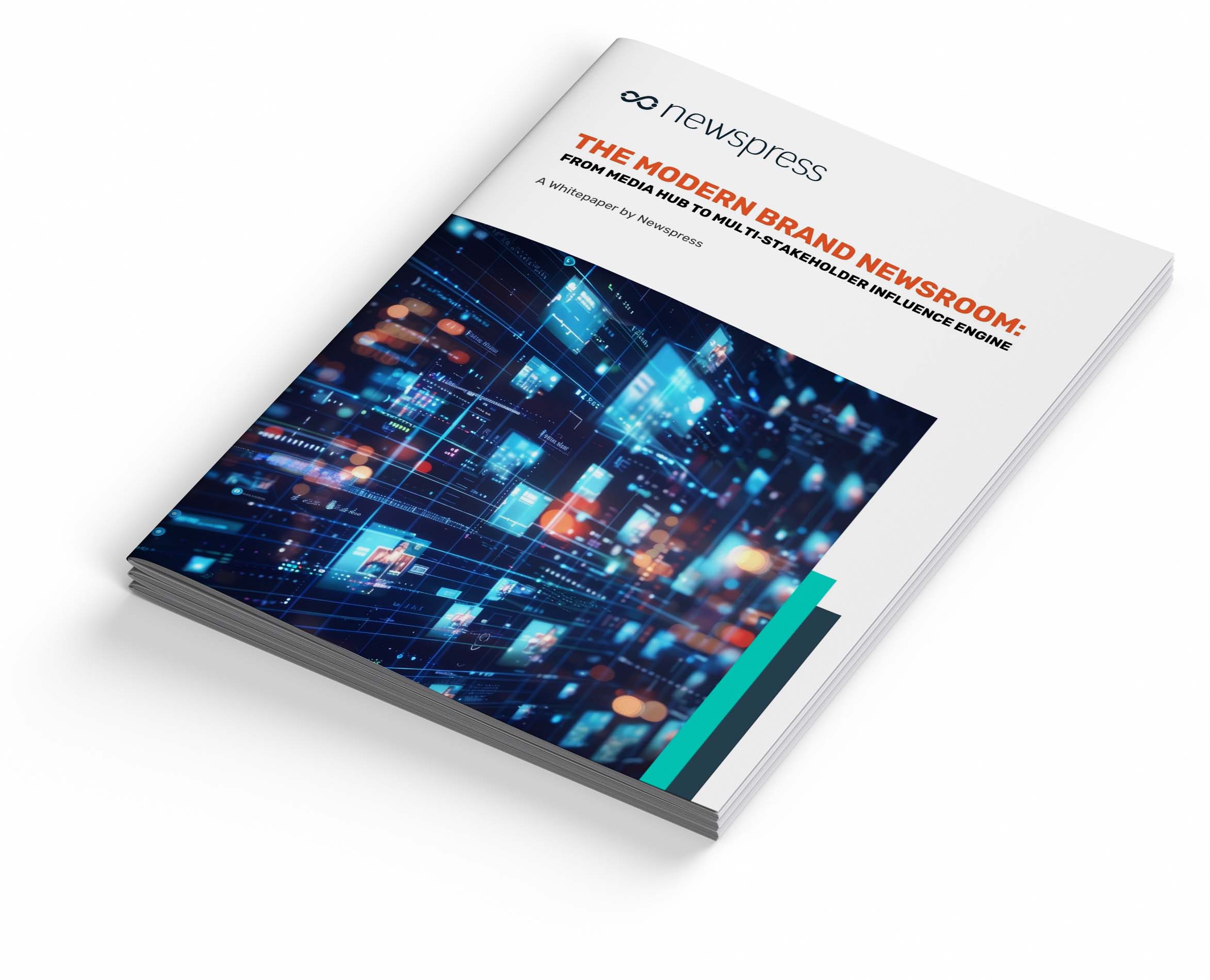
Brand newsrooms are no longer just media hubs. New research from Newspress shows they are increasingly shaping how audiences validate claims, research products, build trust, and make decisions. As search and AI-driven discovery tools place greater value on structured, official content, the strategic importance of the newsroom is increasing.

Inside this report

  • Why many brands are underleveraging a powerful owned channel
  • Who is really visiting your newsroom — and what they decide there
  • The 3-stage framework from reactive newsroom to influence engine
  • How AI-driven discovery is changing the value of newsroom content
The Modern Brand Newsroom: Free Research Whitepaper

Download the Research White paper

Instant access. No spam.

Categories
myNewspress

Why a Cutting-Edge Media Website is the Heart of Modern Media Relations

In today’s communications landscape, the press office is no longer just a source of information, it is a dynamic digital newsroom. For brands, that means your media website must extend beyond distribution of press releases; it is the front line of your media relations strategy.

A well-designed, fully optimized media website is the difference between hoping your story delivers coverage to driving the coverage, with a media resource that makes doing so vastly easier. Today’s journalists – facing ever tighter deadlines – need instant access to accurate, visual, and up-to-date information. If your media site is slow, hard to navigate, or not optimized for mobile, the chances of you landing that vital coverage are already diminishing as the reporter heads elsewhere.

The New Standard

The best media sites mirror the experience of a modern newsroom, surfacing content intuitively, serving multiple audiences, and integrating seamlessly with the digital tools journalists rely on. They deliver:

  • Fast, reliable access to press releases, images, and assets.
  • Search and tagging that anticipate a journalist’s needs and optimize the search process.
  • Responsive, mobile-ready design that works from wherever stories are filed.
  • Analytics and insight to help you understand what content is driving engagement.

Cutting-Edge Media Website for Modern Media Relations

Beyond Distribution

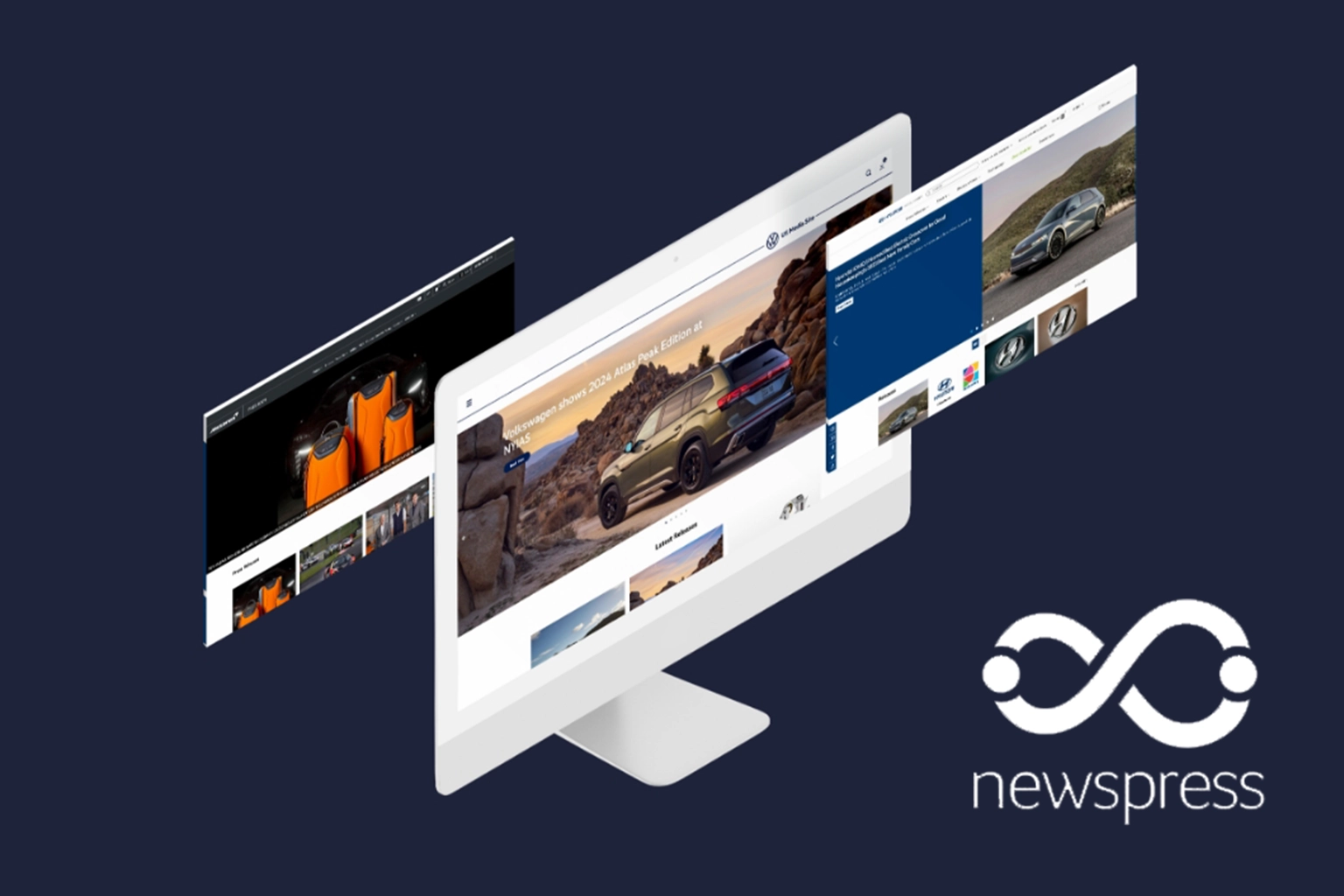
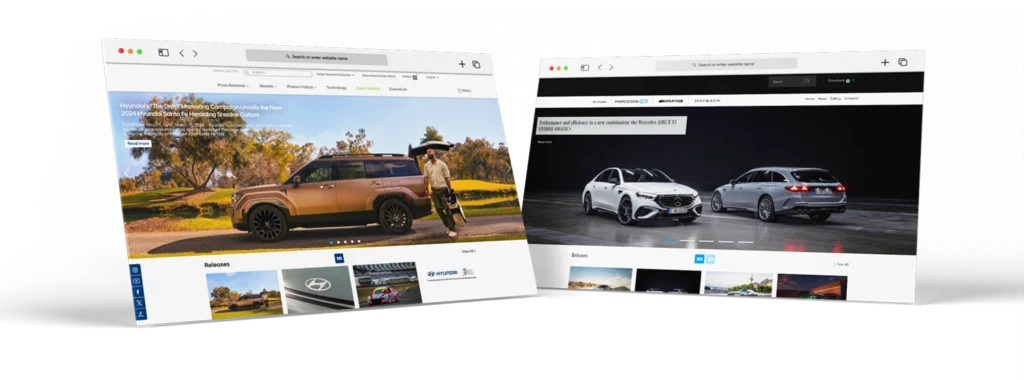
Since the formation of our company by journalists and PR professionals, at Newspress, we have spent decades helping brands connect with the media. We understand not just how journalists receive information, but how they work. That insight drives how we design and build media websites for some of the world’s biggest brands including Audi, Genesis, Hyundai, and McLaren Automotive. Our approach combines intuitive user experience, robust technical performance, and the visual brand representation expected from industry leaders.

Our sites are more than digital assert libraries; they are living extensions of the press office, designed to enhance discoverability, strengthen perception, and simplify storytelling.

Built for the Future of Media Relations

Whether you are launching a new brand, modernizing a legacy image, or integrating global content hubs, Newspress can design, build, and manage a media website tailored to your audience. Because, in today’s media environment your newsroom is not just a support tool, it is your most visible communications channel.

Ready to see what an innovative media site can do for your brand? Contact the Newspress team to start the conversation.

Categories
myNewsroom

Top 5 reasons to invest in a custom newsroom platform

A smart brand-owned newsroom platform helps brands control messaging, improve media engagement, and strengthen journalist relationships, all within a single ecosystem.

Why your brand needs a smart newsroom now?

Journalists expect quick, accurate access to your latest updates. If you’re relying on scattered emails and outdated web pages, you’re likely losing coverage and control. Our newsroom platform solves that by giving journalists exactly what they need, when they need it.

Five reasons to choose our Newsroom

1 – Give Journalists What They Want Instantly

When journalists come looking for your brand’s story, can they find everything they need? Or are they stuck piecing things together from scattered press releases, slow replies, or confusing websites?

With a Newspress smart newsroom platform:

  • Journalists get instant access to high‑quality press releases, images, videos, and product details.
  • Everything is structured, searchable, and downloadable, helping journalists save time and giving you a better shot at coverage.
  • You’ll be seen as a brand that “gets it” and earns journalists’ trust.

The result? Journalists bookmark your newsroom, come back again and again, and feature your stories more often.

Request a demo today and see how we make your newsroom irresistible to journalists.

2 – Take Full Control of Your Brand’s Narrative

In PR, timing and clarity are everything.

With a dedicated newsroom platform powered by Newspress:

✔ You decide when and how your stories go live.
✔ You maintain a consistent, on‑brand voice across all assets.
✔ You eliminate the risk of outdated or conflicting messages floating around online.

You can even schedule releases and embargoes with precision, ensuring your message hits at the perfect moment.

Why risk your story being misunderstood, misrepresented, or lost in the noise when you can own it completely?

3 – Keep Embargoed Stories Safe & Secure

When you’re sharing sensitive or embargoed information with select journalists, email is risky and messy.

Newspress solves this by giving you:

  • A secure, private login system for approved media only.
  • The ability to upload embargoed assets and track who accessed them.
  • Peace of mind that your story stays under wraps until you’re ready.

This is crucial if you’re launching a high‑profile product, making a major corporate announcement, or working with multiple stakeholders who need controlled access to information.

4 – Gain Insights That Drive Smarter Decisions

Your newsroom is more than just a content hub; it’s a data goldmine.

With Newspress analytics, you’ll know:

  • Who’s engaging with your content (if logged in).
  • Which assets do journalists use?
  • What times and formats get the best response?

These insights help you optimise your strategy, tailor your outreach, and justify your PR investments with hard data.

Stop guessing what works and start knowing.

5 – Streamline Your Workflow & Save Time

If your team is buried in spreadsheets, scattered emails, and clunky tools, you’re wasting time and energy.

Our custom smart newsroom platform integrates with:

With everything in one place, you’ll save hours every week and free up your team to focus on strategy, not admin.

Why choose us over other solutions?

You have options when it comes to building a newsroom, but none match Newspress for:

  • Ease of use (both for your team and journalists)
  • Industry‑leading security & reliability
  • Decades of experience designing media platforms for global brands
  • Flexible, customizable solutions to fit your needs and budget

And because Newspress is purpose‑built for PR, you won’t have to adapt a generic CMS or hire developers to maintain it.

We’ve already solved the hard parts, so you don’t have to.

Make the Smart Move Today

Investing in a smart brand-owned newsroom platform now means:

  • Build stronger journalist relationships
  • Control your brand’s story
  • Earn more, better media coverage
  • Free up your PR team’s time
  • Prove your PR ROI
custom newsroom platform

Common Questions from Buyers Like You

Q1: How long does it take to set up a Newspress newsroom?

Typically just a few weeks from brief to launch. Our team handles setup, design, and training, you’ll be up and running fast.

Q2: Can I customise the design to match our brand?

Absolutely. Every newsroom we build is bespoke, ensuring it fits seamlessly with your brand identity and guidelines.

Q3: Do I need technical expertise to use it?

No. Our back‑end is designed for PR professionals, not developers. If you can use email, you can use Newspress.

Q4: What does it cost?

Pricing depends on your requirements, but we offer scalable solutions for teams of all sizes. 

Additional Resources

If you’d like to learn more about newsrooms and why they’re essential:

Your newsroom is your media gateway

Get in front of the right journalists, at the right time, with the right message.
Don’t let competitors own the conversation.

Schedule your demo today and see the difference.

Categories
myNewspress

Unlock Powerful Media Intelligence with Newspress

For over five decades, Newspress has been at the heart of the media and PR industry. Since 1973, we’ve worked alongside public relations professionals, journalists, and brands, helping them tell compelling stories and connect with the right audiences.

Yet, the way the media operates today has evolved dramatically. With thousands of channels, countless influencers, and real‑time publishing, it’s no longer enough to simply monitor mentions or send out press releases. PR professionals today need media intelligence, actionable insight into what’s happening in the media landscape, who is influencing conversations, and what outcomes to expect from each campaign.

That’s exactly what Newspress delivers.

In this article, we’ll explain what media intelligence is, how Newspress helps you use it effectively, and why PR professionals who embrace media intelligence consistently achieve better results.

What is Media Intelligence?

At its core, media intelligence refers to the process of collecting, analysing, and using data from media sources to inform PR and communication strategies.

Unlike traditional media monitoring, which simply tracks mentions of your brand or key topics, media intelligence gives you the context and insight to act strategically. It helps answer crucial questions, such as:

  • Which journalists are covering topics relevant to my brand?

  • What angles are resonating with audiences right now?

  • What outcomes can I realistically expect from this story, product loan, or event?

  • How can I optimise future campaigns based on past performance?

By moving from tracking to understanding, media intelligence enables you to focus your resources where they will have the most impact.

Why PR Professionals Need Media Intelligence Now More Than Ever

The media landscape has become incredibly fragmented. Audiences are spread across countless digital and traditional platforms. Journalists and influencers have more choices than ever when it comes to content.

For PR professionals, this complexity creates both opportunities and challenges. While you can reach niche audiences more effectively, it’s also harder to predict which journalists or stories will deliver the best results.

That’s where Newspress comes in.

Media Intelligence

How Newspress Powers Smarter Media Intelligence

In response to our clients’ need for deeper insights, we launched our Newspress suite just 18 months ago. Although relatively new to the market, it’s built on over 50 years of experience in the press and PR industry, combining tried‑and‑tested knowledge with cutting‑edge technology.

Here are the ways Newspress transforms your media intelligence:

1. Know Who Matters Most

Not all journalists and influencers are equal when it comes to your brand or campaign. Newspress helps you quickly identify the media contacts who are most likely to engage with your story, saving you time and resources.

We provide data‑rich profiles that include:

  • Topics and stories they’ve covered recently.

  • Their preferred formats and angles.

  • Past engagement with your brand or similar brands.

For more on the importance of building the right media relationships, see this Cision guide on media outreach.

2. Predict Outcomes Before You Act

One of the most powerful benefits of media intelligence is the ability to predict likely outcomes before you commit to a campaign.

Before you loan a product, send out a sample, or invite a journalist to an event, Newspress lets you assess how receptive they’re likely to be and what kind of coverage you can expect.

This predictive insight allows you to focus only on the activities with the highest potential impact.

3. Measure Results Against Predictions

Newspress doesn’t just help you plan, it helps you measure.

By comparing actual outcomes to predicted outcomes, you can fine‑tune your future campaigns. Over time, this leads to smarter strategies and better ROI.

This kind of data‑driven approach is in line with best practices outlined by AMEC (the International Association for Measurement and Evaluation of Communication), which champions meaningful measurement in PR.

4. Eliminate Guesswork

Gone are the days of “spray and pray” PR. With Newspress, everything is based on data.

You’ll know:

  • Which journalists are most likely to cover a topic.

  • The type of content they typically produce.

  • Whether a story placement, product loan, or event is appropriate for a given journalist or outlet.

By removing uncertainty, you can focus on creating meaningful, impactful engagements.

A Truly Innovative Approach

While Newspress is innovative and fresh, it’s rooted in decades of experience. Unlike some newer players in the market, we understand what it’s like to walk in a PR professional’s shoes.

We designed Newspress to be:

  • Quick and intuitive because we know your time is limited.

  • Rich in actionable data because decisions need to be informed.

  • Cost‑effective because budgets are always under scrutiny.

Our platform complements your existing media monitoring tools while taking your capabilities to the next level.

Real‑World Example: Smarter Event Planning

Let’s say you’re planning to launch a new product with an exclusive media event.

Traditionally, you might pull a long list of journalists covering your sector and send invitations to all of them, hoping a handful show up and write about it.

With Newspress, you can see exactly which journalists have shown interest in similar events in the past, what their coverage looked like, and what their likely response will be. This allows you to invite only those who are most likely to attend and provide quality coverage, saving time, money, and effort while improving results.

Why Choose Newspress?

Here’s why PR professionals across industries are choosing Newspress:

  • Experience you can trust: Over 50 years in PR and media.
  • Focused on intelligence: Not just monitoring, but actionable insight.
  • Time and cost‑efficient: Do more with less.
  • Improves over time: The more you use it, the smarter your strategies become.

By investing in media intelligence now, you’re setting your team up for long‑term success.

How Does Newspress Compare to Other Solutions?

While many media monitoring tools simply track mentions and provide sentiment analysis, Newspress goes deeper. It connects the dots between your actions and outcomes and helps you predict and optimise future campaigns.

For an overview of the difference between media monitoring and media intelligence, this Forbes article offers an excellent explanation.

Ready to Elevate Your Media Intelligence?

If you’re still relying solely on media monitoring, you’re missing an opportunity to take control of your PR outcomes.

By upgrading to Newspress, you gain a strategic advantage, smarter decisions, better results, and a clearer understanding of your impact.

We invite you to experience the difference for yourself. Get in touch today to see how Newspress can help you transform your media strategy with actionable media intelligence.

Additional Resources on Media Intelligence

To learn more about media intelligence and why it matters, here are some helpful resources:

Final Thoughts

Media intelligence is no longer a luxury, it’s a necessity for PR professionals who want to stay ahead in today’s fast‑moving media environment.

At Newspress, we’re proud to help our clients make smarter, data‑driven decisions through Newspress. Backed by decades of experience and designed for the needs of modern PR, Newspress is your partner in building stronger media strategies and achieving measurable success.

Don’t just monitor your media, understand it, predict it, and master it with Newspress.

Contact us now to learn more.

Categories
myNewspress

Improve Sentiment Analysis for Hotel Reviews


In hospitality, every guest’s opinion counts. A single review can influence hundreds of potential travellers, making it vital for hotels to understand not just what guests say, but how they feel. 

Traditional feedback methods, such as surveys and star ratings, often fail to capture the full range of customer emotions hidden within written reviews.

This is where sentiment analysis for hotel reviews becomes essential. It transforms unstructured text from online feedback into measurable insights, helping hotels monitor satisfaction, address weaknesses, and refine guest experiences at scale.

By leveraging natural language processing (NLP) and machine learning, sentiment analysis goes beyond numerical ratings to interpret tone and emotion. 

Whether a comment expresses frustration about check-in delays or delight at the concierge’s attentiveness, sentiment analysis helps reveal the story behind every review.

Why Guest Sentiment Matters in the Hospitality Industry

Guest sentiment offers a direct window into the quality of your service and brand perception. Beyond satisfaction scores or occupancy rates, it reflects how guests emotionally connect with your hotel.

Beyond Star Ratings: What Guests Really Say Online

Star ratings provide a quick overview, but the words behind them reveal the real guest experience. 

A three-star review might hide deep dissatisfaction or balanced praise that a number alone cannot capture. By analysing the words guests use, hotels uncover the nuances that drive satisfaction or disappointment.

Guests increasingly use online platforms such as TripAdvisor, Google, and Booking.com to share detailed feedback. Understanding this data helps hotels identify recurring themes, from room cleanliness to staff professionalism.

 The emotional tone in this review text often signals whether guests will recommend the property, making emotional insight as valuable as operational metrics.

The Impact of Online Reputation on Booking Decisions

A positive online reputation directly correlates with occupancy rates. Travellers are more likely to choose hotels with consistently high sentiment scores, even when prices are slightly higher.

According to studies in hospitality management, each one-point increase in review sentiment can boost revenue per available room (RevPAR) by up to 10%. 

This underscores how analysing customer sentiment not only improves service quality but also drives tangible financial returns.

How Sentiment Trends Reveal Evolving Guest Expectations

Guest preferences evolve with social and cultural shifts. What delighted travellers five years ago might now be standard. Tracking sentiment over time helps hotel managers detect these changes early. 

For example, an increase in negative mentions around Wi-Fi speed or sustainability may signal growing expectations in those areas.

By visualising sentiment trends, hotels can adapt offerings before issues affect bookings, ensuring they stay aligned with modern traveller priorities.

What is Sentiment Analysis for Hotel Reviews?

Sentiment analysis helps hotels interpret guest emotions hidden in written feedback, turning qualitative opinions into measurable insights. It reveals not just what guests say, but how they feel about their experience.

Definition and Core Principles

Sentiment analysis (be it for hotels or other establishments) refers to the process of using computational models to determine whether a piece of text expresses a positive, negative, or neutral opinion. 

In hospitality, it helps quantify feelings expressed in guest feedback, uncovering hidden attitudes toward amenities, staff, and services.

The method relies on AI algorithms trained on large datasets of labelled examples, enabling them to detect emotional tone and linguistic patterns with high accuracy.

From Text to Insights: How AI Interprets Guest Feedback

When a guest writes, “The room was lovely, but the air conditioning was too noisy,” sentiment analysis tools separate the positive and negative components within the same statement.

AI models such as BERT (Bidirectional Encoder Representations from Transformers) interpret context by analysing the relationship between words rather than treating them individually. 

This context-based model can distinguish between “not bad” and “bad,” understanding subtle modifiers that influence meaning.

Key Data Sources

Sentiment analysis in hospitality draws from multiple sources:

  • Online booking platforms (TripAdvisor, Booking.com, Expedia)
  • Social media comments and hashtags
  • Customer satisfaction surveys
  • Direct feedback emails or chat transcripts

By integrating all these channels, hotels gain a unified view of reviews and emotions across touchpoints, forming a complete picture of the guest journey.

Common Challenges in Analysing Guest Sentiment

While sentiment analysis offers valuable insights, interpreting human emotion through AI isn’t always straightforward. 

Hotels must overcome several technical and linguistic challenges to ensure results remain accurate and reliable.

The Volume and Complexity of Multilingual Reviews

Hotels attract guests from around the world, each expressing opinions in different languages and dialects. Processing multilingual reviews accurately is complex, as idioms and expressions rarely translate word-for-word.

Without proper localisation, AI may misinterpret emotional tones, leading to unreliable results. Multilingual models and translation pipelines are therefore crucial for maintaining consistency across global hotel operations.

Distinguishing Sarcasm, Emotion, and Context

Human emotion is layered and often ambiguous. Sarcastic remarks, such as “Lovely view of the parking lot,” can mislead algorithms into classifying them as positive.

Advanced AI systems are now trained to recognise such linguistic cues by examining patterns in punctuation, sentence structure, and comparative phrasing. 

Nonetheless, combining algorithmic precision with human oversight remains the most reliable approach for nuanced analysis.

Fragmented Data Across Multiple Platforms

Guest opinions are scattered across numerous online sources. Without centralisation, analysing them becomes fragmented, and valuable patterns may be lost.

Consolidating all review data into one platform allows teams to compare sentiment across channels and track brand consistency over time. This is where integrated media monitoring and brand monitoring systems play a crucial role.

Sentiment analysis for hotel reviews helps uncover guest emotions and feedback trends, enabling data-driven decisions to enhance hospitality experiences.

How Newspress Transforms Hotel Reviews into Actionable Insights

Turning guest feedback into measurable improvements requires more than data collection, it demands the right tools to interpret and act on insights effectively. 

Centralised Monitoring Across Review Platforms

Newspress offers centralised monitoring that aggregates guest reviews, social mentions, and online discussions into one interface. 

By consolidating data streams, hotel teams save time and gain a comprehensive view of their public perception.

Newspress integrates with myMedia, an advanced media intelligence platform that provides real-time analytics that simplify performance tracking across multiple digital touchpoints.

 It allows hotels to monitor brand visibility, analyse sentiment, and assess how mentions in news, social media, and review platforms contribute to overall reputation. 

By combining these insights with guest feedback, hotels can connect public perception with real customer experiences, turning fragmented data into actionable intelligence for stronger, more consistent brand management.

Real-Time Sentiment Detection Powered by AI

Using advanced NLP and AI-based models, Newspress identifies emotional tone as soon as new feedback appears. This enables instant responses to both praise and criticism, helping teams address emerging issues before they escalate.

For hospitality brands, this agility means maintaining stronger relationships and demonstrating attentiveness that guests value highly.

Custom Dashboards for Hospitality and Travel Brands

With custom dashboards, hotels can visualise trends by category; cleanliness, food, staff behaviour, location, or value for money. 

The dashboards utilise intuitive visuals, such as graphs and heatmaps (often referred to as figure representations in research), to make complex data easily digestible.

Decision-makers can filter by sentiment, date range, or property to prioritise areas requiring immediate action.

Benchmarking Your Sentiment Score Against Competitors

Benchmarking allows brands to compare their performance with peers. 

Newspress tools measure sentiment scores relative to industry averages, offering clear indicators of strengths and weaknesses.

This competitive lens supports smarter positioning in the marketplace and helps identify the key differentiators influencing booking decisions.

Use Cases: How Hotels Leverage Sentiment Analysis

Sentiment analysis isn’t just about understanding emotions, it’s about applying those insights to real-world decisions. 

Hotels can use this data to improve operations, strengthen marketing, and enhance the overall guest experience.

Improving Service Quality Through Feedback Loops

Hotels can set up continuous feedback loops where sentiment insights directly inform operational changes. 

For instance, if guests frequently mention slow check-ins, management can review staffing levels or retrain front desk teams.

Turning qualitative review content into quantitative performance data empowers service improvements that align with actual guest priorities.

Detecting Emerging Issues Before They Escalate

Negative sentiment patterns often appear before a major complaint trend develops. Monitoring these early signals enables hotels to act preventively.

A sudden spike in negative feedback about breakfast quality, for example, could indicate supply inconsistencies. Acting quickly avoids reputational damage and prevents drops in customer satisfaction scores.

Refining Marketing Messages with Guest Emotion Data

Sentiment data helps marketing teams craft more resonant campaigns. If guests frequently describe their stay as “relaxing” or “peaceful,” those emotions can shape the hotel’s brand voice.

By highlighting the most emotionally charged phrases used by real customers, hotels can create more authentic content that reflects genuine guest experiences, thereby enhancing earned media opportunities through organic endorsements and press mentions.

Why Should You Integrate Sentiment Analysis into Your Hotel Strategy?

Every guest review tells a story, but it’s not always the words themselves that matter most. Sentiment analysis helps you uncover the emotions behind those stories, revealing what truly delights or frustrates your guests.

Aligning Data Insights with Operational KPIs

Sentiment insights must connect with tangible outcomes. Hotels can align emotional data with operational KPIs such as room cleanliness scores, staff efficiency, and Net Promoter Score (NPS).

Integrating these insights allows managers to understand how guest emotions influence measurable business performance, turning analysis into an actionable strategy.

Training Teams to Act on Sentiment Insights

Technology alone doesn’t improve satisfaction – people do. Staff training ensures that sentiment findings translate into meaningful change. 

Frontline employees should understand how to interpret feedback patterns and apply them to guest interactions.

By fostering a culture of responsiveness, hotels can strengthen loyalty and drive repeat business.

Combining PR Monitoring and Reputation Management

Sentiment analysis complements PR and reputation management efforts by revealing how media narratives align with guest experiences.

By connecting brand monitoring tools with sentiment analytics, hotels can ensure consistent messaging across press coverage, reviews, and social platforms. 

Unified insights across PR and guest sentiment strengthen credibility and prevent misalignment between perception and reality.

Why Choose Newspress for Hotel Sentiment Analysis

Newspress combines advanced AI technology with industry-specific expertise to deliver sentiment analysis tools built for the hospitality sector. 

Our solutions help hotels turn guest feedback into clear, data-driven actions that enhance satisfaction and reputation.

Industry-Specific Language Models for Hospitality

Newspress employs models fine-tuned for hospitality language, recognising sector-specific vocabulary like “late checkout,” “concierge,” or “room service.” 

These language-based optimisations ensure more accurate interpretation of guest emotions and experiences.

By training on hospitality dataset examples, these models deliver results grounded in real-world industry context.

Seamless Integration With PR, Social, and Media Monitoring

Hotels can connect sentiment analysis directly with other Newspress solutions such as myNews, myMedia, and advanced media intelligence dashboards. 

Through myNews, hotels can host press releases, media assets, and brand updates that shape public perception, while myMedia tracks brand mentions and sentiment across news and social channels. 

Combined, these tools give hospitality teams a unified view of both guest emotions and media performance, ensuring consistent, data-driven reputation management.

This unified ecosystem enables holistic insight across communication, publicity, and customer sentiment.

Global Coverage and Multilingual Data Interpretation

With properties operating across continents, hotels need multilingual support to interpret diverse guest feedback. 

Newspress provides global coverage with translation and local language models that preserve nuance across data sources.

This ensures consistency in sentiment reporting across regions, whether guests are reviewing a boutique hotel in Paris or a resort in Bali.

Learn More About Sentiment Analysis

Understanding guest emotions at scale empowers hotels to make smarter, faster decisions and deliver experiences that truly resonate.

To explore how integrated sentiment analysis for hotel reviews and media monitoring can transform your hospitality strategy, book a demo with Newspress today.

Frequently Asked Questions

What’s the Difference Between Review Monitoring and Sentiment Analysis?
Review monitoring tracks mentions and feedback volume, while sentiment analysis interprets the emotional tone behind those comments. Together, they provide both quantitative and qualitative insights into guest satisfaction.
Modern AI models achieve high accuracy, especially those trained on domain-specific data. Contextual models like BERT analyse relationships between words and tone, improving recognition of sarcasm and mixed emotions. However, human validation remains essential for the most complex emotional expressions.
Yes. Platforms such as TripAdvisor and Booking.com factor review sentiment into their ranking algorithms. Consistently high sentiment scores can improve visibility, attract more guests, and strengthen brand perception.
Newspress tools integrate seamlessly with hospitality software, including property management systems (PMS) and customer relationship management (CRM) platforms. This enables unified tracking of customer feedback, sentiment trends, and operational performance in a single, streamlined environment.
Categories
myNewspress

Newspress appoints Matthew Clarke to Advisory Board to support U.S. expansion

  • Former Aston Martin, Sierra Space communications executive, joins Newspress Advisory Board as company targets further growth.
  • Newspress aims to deepen its presence in the U.S. and new sectors by offering an integrated ecosystem of PR tools and services.

USA – Monday October 27th 2025 – Newspress, the tech-enabled global PR and media intelligence partner, has appointed senior communications executive Matthew Clarke to its Advisory Board as the company accelerates growth in the United States.

Clarke brings more than two decades of experience leading global communications, marketing, and brand strategy for automotive, aerospace, and technology organizations in both public and private markets. In his advisory role, he will help guide Newspress’ brand positioning, partnerships, and market engagement strategy as the organization builds on its longstanding success in the UK and expands its burgeoning North American operations. Clarke has held senior leadership roles across communications, marketing, and brand strategy, advising companies through transformation, market expansion, and high-profile reputation initiatives. His career spans iconic automotive brand Aston Martin, tech-driven startup companies including Aerion Supersonic and Karma Automotive, and most recently he was Chief Brand Officer for Sierra Space, a new commercial space company.

Newspress appoints Matthew Clarke to Advisory Board to support U.S. expansion

“I know from my own experience how valuable the Newspress toolkit can be to PR professionals looking to reach key media with targeted communications and being able to accurately quantify the success of campaigns,” said Clarke. “As the company deepens its presence in the U.S. and further expands into new sectors there is a real opportunity to reimagine how brands and media connect across an ever-changing and dynamic communications landscape through the evolved and well proven capabilities of the Newspress offering.”

Newspress is redefining how PR tools and services come together in one integrated ecosystem, bringing fully connected services and intelligence to busy PR professionals, saving them time and giving real time access to crucial ROI data. Through the myNewspress offering, content distribution, media monitoring, newsroom management, and performance insights are combined into a single platform with the media website at its core.

“Matthew’s strategic mindset and deep understanding of how brands in multiple industries engage with media make him an invaluable addition to our Advisory Board,” said Tim Barfoot, President of Newspress USA Inc. “His experience as a communications leader will help us engage more strongly with brands and sharpen our delivery to PR professionals around the world.”

Categories
myNewspress

How to Get Press Coverage for an Event

Securing press coverage for an event takes more than just sending a press release. 

Journalists receive hundreds of pitches every day, and only a fraction make it to print or online publication. To stand out, your story needs to be relevant, newsworthy, and presented in a way that makes a journalist’s job easier, not harder.

This guide will walk you through every step, from crafting a compelling story and building your media list to distributing your release, engaging journalists, and tracking results, so your next event gets the attention it deserves.

Why Press Coverage Still Matters in 2025

Even with the dominance of social media and paid campaigns, press coverage remains a crucial element of a successful event strategy. 

It provides third-party validation that builds credibility and generates excitement that paid promotion alone cannot achieve.


The Role of Earned Media in Brand Credibility

Coverage in respected publications is considered earned media, which is content created and published by independent sources, rather than paid advertising. 

It’s what gives your event legitimacy in the eyes of your audience. You can read more about how earned media supports credibility and long-term visibility on our dedicated page.

How Press Mentions Drive Event Awareness and Attendance

An event featured in relevant media outlets gains exposure to new audiences that organic posts may never reach. 

Journalists amplify your reach by telling your story through their own trusted platforms, helping you drive sign-ups, ticket sales, and participation.

Examples of Successful Event Media Coverage

From local charity fundraisers featured in community newspapers to major product launches covered by trade press, media coverage builds trust and excitement. 

Each mention validates your efforts, turning your event into a credible talking point long after it has ended.

Step 1: Define a Strong Event Story

Before you can earn coverage, you need a story journalists will want to tell.

Identify What Makes Your Event Newsworthy

Ask yourself: why should people care? Newsworthiness often comes from uniqueness, relevance, timing, or human impact. 

Focus on what makes your event different, whether it’s tied to a significant milestone, responds to current trends, or features notable speakers or participants.
Align Your Story with Trends or Seasonal Relevance

Craft a Compelling Media Angle

A good story goes beyond listing event details. Frame your event around a bigger idea that aligns with the publication’s audience. 

For example, is it part of a wider industry movement? Does it reflect local innovation or community value?

Align Your Story with Trends or Seasonal Relevance

Timing strengthens your pitch. If your event coincides with an industry conference, awareness day, or holiday season, connect your story to that moment. 

Journalists appreciate when stories fit naturally within broader cultural or business contexts.

Step 2: Prepare Your Press Materials

Strong, clear press materials make it easy for journalists to cover your event quickly and accurately.

The Anatomy of a Professional Press Release

A standard press release should include:

  • A headline that summarises the story in one line
  • A first paragraph that answers who, what, when, where, why, and how
  • Quotes from key speakers or organisers
  • Background information about your company or organisation
  • Contact details for follow-up


Keep it concise and avoid jargon. Always write in third person, as journalists should be able to lift your text directly into their article if needed.

Visuals, Quotes, and Event Details Journalists Need

Journalists need more than text. Include high-resolution images, official logos, speaker headshots, and relevant statistics or research. 

Compelling visuals and credible data increase your story’s chances of being picked up.

Building a Clear and Consistent Media Kit

Alongside your release, create a media kit that consolidates all relevant assets in one place, including images, videos, the event schedule, bios, and background information. 

Building a Clear and Consistent Media Kit

Step 3: Build and Segment Your Media List

Knowing who to contact is just as important as knowing what to say.

How to Identify Relevant Journalists and Outlets

Look for journalists who cover your industry, niche, or type of event. Research past articles to understand their tone and preferred topics. 

Keep track of their contact details and publication guidelines.

The Difference Between Local, National, and Trade Media

  • Local media value community impact. They’re perfect for events with regional relevance or social value.
  • National outlets look for scale, major announcements, or big-name participants.
  • Trade publications focus on specialist insight. They’re vital if your event targets professionals in a specific industry.

A balanced mix across these categories helps you maximise visibility.

How to Personalise Outreach for Better Response Rates

Don’t send mass emails. Personalise each message with a short, specific note that demonstrates your knowledge of the journalist’s work and how your event aligns with their beat. Reference a recent article or column where appropriate.

Step 4: Time Your Outreach Strategically

Timing can make or break your coverage.

When to Send Your Press Release

Send your release two to three weeks in advance of the event so journalists can plan their coverage accordingly. For larger campaigns or national publications, extend this to a month.

Avoid Fridays and late afternoons when inboxes are crowded or teams are signing off for the week.

How to Follow Up Without Spamming Journalists

Wait three to five days before sending a polite follow-up. Reiterate your story briefly, thank them for their time, and provide any new angles or updates as needed. If there’s no response after two attempts, move on.

Making Your Email Pitch Stand Out

Keep your email short and focused. Use a clear subject line such as “Local Innovation Forum: Interview Opportunities with Industry Leaders.” Include the most newsworthy detail first, then link to your newsroom or media kit for more context.

Step 5: Use the Right Press Distribution Platform

The platform you use to send your release affects how far and accurately your story travels.

Why Distribution Is Key to Event Visibility

Even the best release can fall flat if it doesn’t reach the right inboxes. Professional distribution ensures your content is delivered to verified media contacts and tracked for engagement.

How Newspress Connects Brands with Verified Journalists

Through advanced filtering, Newspress connects your story with active, relevant journalists across industries and regions. You can manage recipients, track open rates, and measure resulting coverage to see what resonates.

For event press coverage, this means your release reaches journalists most likely to cover your industry, location, or event type, whether it’s a corporate launch, charity fundraiser, or trade exhibition. 

Newspress helps you build targeted outreach lists, share event details and visuals, and follow engagement in real time. By ensuring your story lands with the right reporters ahead of the event, you increase your chances of securing meaningful coverage that drives attendance, awareness, and post-event visibility.

Hosting Your Press Release, Images, and Assets in a Newsroom

Store everything in a digital newsroom like myNews, where journalists can access assets anytime. This central hub ensures your press materials stay organised and consistent across campaigns.

Maximise Your Reach With Press Release Distribution

Use professional press release distribution services to streamline how you share your event updates. 

Distribution tools help you control your message, measure its impact, and ensure your release reaches the right audience.

A targeted distribution strategy ensures that your event announcement doesn’t just circulate, it lands with journalists who have a genuine interest in your story. 

Beyond basic email lists, advanced distribution platforms like Newspress allow you to tailor outreach by region, publication type, or journalist specialisation. This precision makes it easier to reach the right mix of local, trade, and national media outlets that can amplify your event’s visibility.

Automated tracking and reporting features also help you see how your release performs in real time. You can monitor open rates, downloads, and engagement metrics to gauge which journalists are interacting with your content. 

These insights make it possible to refine your outreach for future events, ensuring each campaign performs better than the last.

By combining targeted distribution with clear performance data, your team can maximise every release’s impact, turning one event update into lasting media coverage and brand recognition.

Step 6: Engage Journalists During the Event

Media engagement doesn’t stop once the event begins.

How to Manage Media Invitations and RSVPs

Send press invitations early and provide all logistical details, including venue, timing, registration process, and available interview opportunities. Use a tool like myEvents to manage your media guest list and RSVPs in one place.

For events, plan your outreach in stages. Start with a short save-the-date sent to key journalists and outlets, followed by formal invitations a few weeks later, typically two to three weeks for local or trade press and four to six weeks for national media or larger launches. 

Offer pre-briefs or embargoed materials to selected journalists, and include a concise media note with speaker bios, access details, Wi-Fi, and interview opportunities. 

With myEvents, you can segment invitations by region or publication type, track responses, send reminders, and generate digital press passes for smooth on-site check-in. 

After the event, follow up promptly with a recap, approved quotes and images, and links to your newsroom to support post-event coverage.

Coordinating Journalist Attendance on the Day

Designate a media liaison to greet journalists, handle credentials, and answer questions. Ensure they have access to Wi-Fi, seating, and photography areas.

Providing On-Site Press Kits and Interview Access

Make it simple for journalists to cover the event live by providing printed press kits or QR codes linking to your online newsroom. Offer scheduled interview opportunities with key spokespeople.

Managing Your Media Guest List with myEvents

With myEvents, you can coordinate invitations, manage attendance, and ensure follow-up materials reach each journalist after the event. This keeps communication seamless and data centralised.

Step 7: Amplify Coverage After the Event

Your post-event strategy determines how long the buzz lasts.

Sending Follow-Up Releases and Highlight Reels

Share a short follow-up release summarising event outcomes, attendance numbers, and key quotes. Include high-quality photos and video highlights. A concise “thank you” message goes a long way in maintaining relationships.

Repurposing Media Coverage for Social and Web

Feature your best articles, interviews, and mentions on your website and across social channels. Repurpose coverage into blog posts, infographics, or short clips to extend visibility.

Building Long-Term Relationships with Journalists

Follow up individually with journalists who covered your event to thank them and share valuable insights or data. 

Offer exclusives for future stories and maintain ongoing contact, not just when you need coverage.

Step 8: Measure and Improve

Tracking results helps you refine future event strategies and demonstrate ROI.

How to Track Earned Media Mentions

Use media monitoring tools to track mentions across news, blogs, and social media. Assess where coverage appeared, its tone, and audience reach.

Newspress provides real-time visibility into how your event is performing across multiple channels, from national headlines to niche trade outlets. You can see which journalists or publications are driving the most engagement, monitor sentiment around your story, and measure how far your coverage has spread.

These insights help your team understand what resonated most with audiences and where to focus future outreach. 

By analysing reach, tone, and publication type, you can refine your event PR strategy and build stronger, long-term relationships with the journalists who consistently deliver high-value earned coverage.

Evaluating ROI and Coverage Quality

Go beyond quantity. Measure engagement quality – readership, backlinks, and sentiment. Positive coverage in high-authority outlets often outweighs multiple low-impact mentions.

Using Insights to Refine Future Event PR

Analyse which angles performed best, when engagement peaked, and what journalists responded to. 

Use these insights to inform your next campaign and continuously strengthen your media relationships.

For deeper evaluation, learn more about PR measurement and understand how to quantify visibility and performance more accurately.

Common Mistakes to Avoid

Even experienced teams can make missteps when managing event publicity.

Sending Generic, Non-Targeted Press Releases

Mass mailing irrelevant contacts reduces credibility. Always segment your media list to ensure your message lands with journalists who cover your topic.

Overlooking Niche or Trade Media

Smaller trade outlets often deliver the most engaged audiences. Don’t underestimate their ability to influence key industry decision-makers.

Failing to Follow Up Post-Event

Once the event ends, many teams stop communicating. Following up with results, photos, or thank-you notes strengthens relationships and increases your chance of future coverage.

Learn More About Getting Press Coverage

Mastering how to get press coverage for an event takes planning, creativity, and consistency. 

By defining a clear story, preparing strong materials, and using professional distribution tools, you can transform a one-day event into long-term media exposure.

To see how Newspress can simplify your process and connect you with verified journalists, book a demo today.


Frequently Asked Questions

How Early Should I Start Contacting Journalists?

Begin outreach at least three to four weeks before your event. This gives publications time to plan features or assign reporters.

A good release tells a story, not just details. Focus on clarity, relevance, and real-world impact. Include quotes, data, and a human element.

Offer genuine value, access to experts, compelling visuals, or unique stories that their audience will appreciate. Make attendance effortless with clear information and on-site support.

Newspress provides tools that streamline event PR from start to finish, including press release distribution, media monitoring, and myEvents for guest management, helping you maximise your event’s visibility and media reach.