Categories
myNewspress

PR Measurement: Must Have KPIs and Tracking

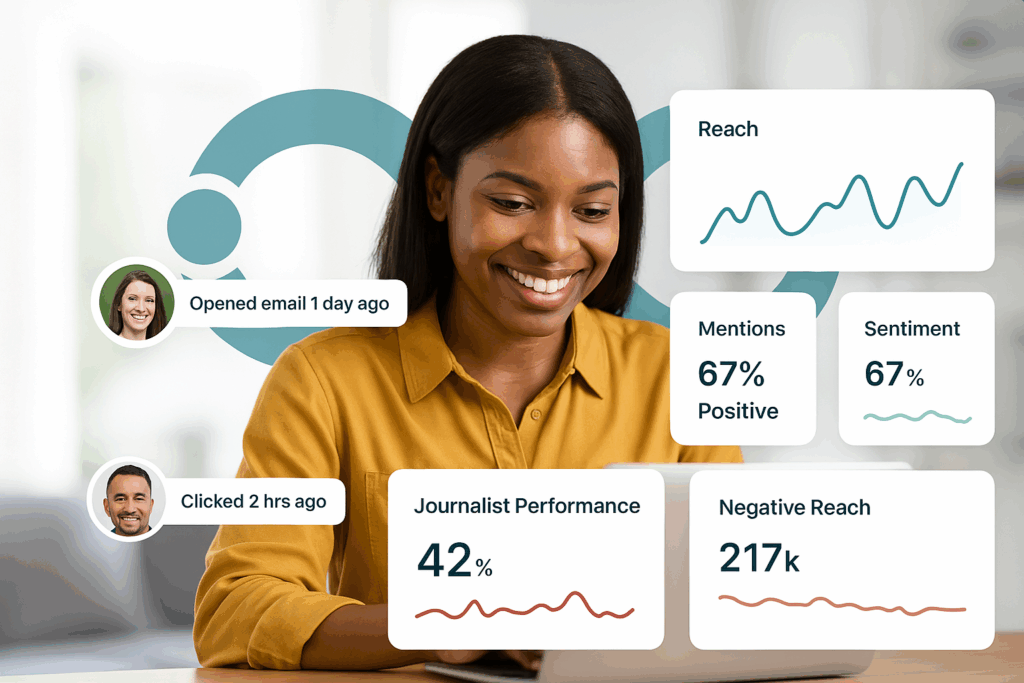
PR measurement has evolved far beyond media impressions and vanity metrics. Today’s communications professionals must demonstrate how campaigns drive tangible business outcomes, from reputation lift to pipeline influence. 

However, meaningful PR measurement requires the right KPIs, ethical tracking practices, and tools that go beyond simple coverage counts.

This guide outlines the most effective ways to measure PR success, with KPIs for every channel and strategic advice to make reporting more insightful and operational.

Source

PR measurement is the process of tracking, evaluating, and interpreting the performance of public relations efforts. 

It helps teams make data-driven decisions that go beyond awareness and connect PR efforts to more general business goals.

Outcomes vs. Outputs

Tactical metrics, press releases, articles, and social media mentions are examples of outputs. 

On the other hand, outcomes, like better sentiment, more visitors to a website, or a change in perception, measure influence or change. To show value, teams must measure both tactical metrics and outcomes.

How PR Measurement Differs From Marketing Analytics

Paid channels with clickstream attribution are commonly used in marketing analytics. PR, on the other hand, focuses on sentiment, earned media, and indirect influence. 

Public Relations is valuable because it can create long-term trust and reputation, even though it is more difficult to quantify.

Without measurement, PR is guesswork; with it, every campaign becomes a roadmap for smarter results.

Business Alignment and Decision-Making

Measurement ensures PR is tied to business priorities, whether launching a product, responding to public concerns, or building thought leadership. 

It enables more transparent decision-making and better resource allocation.

Budget Justification and Prioritisation

When PR teams report on ROI, they earn the confidence of leadership. Measurement validates investment, supports budget growth, and helps prioritise the most effective tactics.

Continuous Improvement Loops

Tracking PR performance encourages a test-and-learn culture. Teams can see what’s working, course-correct faster, and improve campaign quality over time.

Supports Reputation Risk Management

Measurement also acts as an early warning system. By tracking coverage tone, issue velocity, and influencer sentiment, PR teams can flag and address risks before they escalate.

Clear principles and industry standards keep your metrics consistent, credible, and comparable.

SMART Objectives

Setting specific, measurable, achievable, relevant, and time-bound goals creates clarity about what success looks like for each campaign or channel.

Barcelona Principles (Applied)

The Barcelona Principles 3.0 establish global best practices for PR measurement. These include prioritising outcomes over outputs, embracing transparency, and using qualitative and quantitative data.

Ethics, Transparency, and AI Disclosure

PR teams must properly label AI-generated content and watch out for deepfakes and manipulated narratives as synthetic content becomes more prevalent.

These essential KPIs clearly show how your PR efforts are performing and where to improve.

Reach and Visibility

Track how many people potentially saw your message. This includes media mentions, impressions, and estimated readership.

Share of Voice (Overall, Topic, Channel)

How visible is your brand compared to competitors? Share of voice should be broken down by overall percentage, topic-specific coverage, and channel (e.g., broadcast, social, or print).

Message Pull-Through and Sentiment

Are your main points accurately summarised or quoted? Keep tabs on message pull-through rates and sentiment analysis. AI tools can help you evaluate the accuracy of media narratives. 

Writing assistants like Grammarly can also measure emotional tones such as sarcasm, excitement, and frustration.

Authority and Quality of Coverage

Not all forms of coverage are made equal. Assign weight based on outlet credibility, domain authority, or audience reach. Top-tier placements or industry publications may have greater influence.

Engagement and Site Actions

Track website traffic and behaviour stemming from PR efforts using UTM links. Look for session duration, bounce rates, or conversions on content seeded via media.

Reputation and Trust Signals

Measure NPS (Net Promoter Score), brand trust surveys, or executive visibility to gauge intangible reputation growth over time.

Risk and Issues Metrics

Monitor tone, speed of escalation, volume of negative mentions, and recovery patterns in crisis or controversy.

Source

Each PR channel tells a different story; these tailored metrics help you read them accurately.

Media Relations

Use media monitoring tools to track pitches sent, stories placed, journalist responsiveness, and quote accuracy.

Social and Creator

Track mentions, influencer reposts, video views, and creator engagement. Look at both paid and organic campaigns.

Newsroom, SEO, and GEO (Generative Search)

Measure traffic to your myNews hub, keyword rankings, and how your brand appears in AI-generated search overviews, and audit regularly for factual accuracy.

Events and Speaking

Count registrations, attendance, media pickup, and post-event traffic or downloads. Also track social chatter during and after the event.

Thought Leadership and Content

You should track the frequency of citations to executive articles or whitepapers. Keep tabs on how frequently executive articles or whitepapers are cited. 

Track backlinks, shares, and guest speaking invitations using earned media tracking to find mentions originating from branded content.

Crisis and Issues Response

Key metrics include:

  • Volume and velocity of coverage
  • Time to respond publicly
  • Sentiment before and after the response
  • Media consistency across regions

The right tools and setups ensure you capture reliable, actionable PR data from the start.

Data Sources and Integrations

Connect your PR reporting software with tools like Google Analytics, CRM platforms, and media databases to centralise tracking.

Tagging and Taxonomy (Campaign, Topic, Market)

Organise media coverage by campaign, product, theme, or region. This can improve filtering and help attribute performance to specific initiatives.

UTM and Link Strategy

Use custom UTM parameters on links shared with media, influencers, or partners to measure referral performance accurately.

AI Overviews and GEO Monitoring

Use tools to extract and analyse AI-generated summaries in ChatGPT, Google SGE, and other engines. Ensure AI output is accurate and brand-safe.

Dark Social Estimation

Use landing page spikes, branded search lifts, or direct traffic as proxies for dark social engagement through channels like Slack or email.

First-Party Data and Attribution Links

Implement lead capture forms on newsroom content or gated assets. Use smart attribution links to understand post-click behaviour and build a stronger data foundation.

Data Quality and Governance

To ensure accuracy, review and audit data pipelines monthly and standardise naming conventions, tagging rules, and source validation.

Source

Well-structured dashboards and a consistent reporting rhythm keep stakeholders informed and aligned.

Daily/Weekly Operations

Track trending topics, sentiment, and mentions of crises. Set up alert thresholds to react quickly to volume spikes.

Monthly Performance Review

Report on coverage quality, campaign-specific results, and KPIs. Use this review to guide future outreach or content initiatives.

Quarterly Outcomes and Attribution

Show long-term value. Include:

  • Earned reach growth
  • Share of voice vs. competitors
  • Traffic or pipeline influenced
  • Reputation survey improvements
  • Transforming PR reporting

Strong attribution connects PR efforts to tangible business outcomes, proving their value.

Assisted Conversions and Pipeline Influence

Track visitors influenced by PR campaigns who later become leads or customers. Integrate data with CRM systems for cross-functional insight.

Lift Tests (Pre/Post, Geo Holdouts)

Compare performance before and after campaigns. For larger efforts, use regional holdouts or test markets to isolate PR effects.

MMM/Econometrics for PR

Mature teams can use media mix modelling (MMM) to quantify PR’s role among other marketing efforts. Econometric modelling links PR to sales, brand equity, or search uplift.

Benchmarks set context, and targets keep your PR strategy ambitious yet focused.

Baseline vs. Stretch Goals

Set benchmarks from historical performance, then stretch to drive performance improvements. Track what’s achievable vs. aspirational.

Industry/Peer Benchmarks

Benchmarking against similar brands helps you understand where you stand. Compare share of voice, sentiment, and media reach using industry reports or tools that offer anonymised competitor data.

Seasonality and Event Windows

Consider seasonal spikes like holidays, launches, and conferences when setting goals or analysing data.

Owned vs. Earned Benchmarks

Track both types separately. For example:

  • Owned: Newsletter open rate
  • Earned: Message pull-through rate
  • Both should reflect the different nature of control and influence.

Spot and sidestep the most frequent mistakes that derail meaningful PR analysis.

AVEs and Vanity Metrics

Many experts have criticised advertising value equivalency (AVE), and it is no longer considered credible. 

This means you should avoid overemphasis on reach or impressions without context.

Misattribution and Double-Counting

Clarify who owns shared metrics like traffic or leads. Align reporting between PR and marketing to avoid overlap or inflated results.

Sampling Bias and Data Gaps

Incorporate small blogs, local press, and non-English coverage to avoid blind spots. Also, estimate the hidden impact from dark social using referral traffic and branded search surges.

Ethical, transparent measurement practices safeguard credibility and stakeholder trust.

Privacy, Consent, and Regional Regulations

Ensure that tracking and data tools comply with GDPR, CCPA, and other local laws and document user consent where needed.

AI-Generated Content Labelling and Deepfake Monitoring

Clearly label any AI-generated media and monitor for unauthorised uses of brand likeness in synthetic content.

Source

Effective PR measurement shows the true worth of communications in terms of influence, trust, business impact, and exposure. 

With the correct KPIs, tracking instruments, and reporting schedule, PR teams can go beyond storytelling and achieve strategic impact 

Ready to unlock deeper insights and results? Book a demo to see how Newspress can help you elevate your measurement and transform PR reporting from reactive to proactive.

Categories
myNewspress

What is Brand Reputation Management?

Brand reputation management refers to the ongoing effort to monitor, shape, and protect how a business is perceived across various channels. 

This includes what customers say, how the media reports on you, and what search engines surface about your company.

A strong brand reputation doesn’t just protect against negative press. It actively builds loyalty, attracts talent, supports growth, and sets the tone in moments of crisis.

Source

Brand reputation is how the public collectively perceives that company. The prescription is usually based on fundamental interactions, coverage, and commentary.

In other words, an image is what you say about your brand, while reputation is what others believe.

How Brand Reputation Differs From Brand Image

On the other hand, brand image is how a company presents itself. This includes logos, values, tone of voice, marketing, etc.

Reputation, Perception, and Trust: Key Differences

A company earns a reputation through performance, communication, and good or bad experiences.

Emotions or isolated experiences influence perception, while trust is built slowly and can be lost quickly. These factors determine whether stakeholders are willing to engage with your business.

Most consumers nowadays look for social proof, like online reviews or third-party commentary, before making a purchase decision. 

In fact, 90% of buyers admit that social proof influences their decisions. This is why a positive reputation is essential. It reduces friction and increases lifetime customer value.

Additionally, job seekers and business partners evaluate your brand based on public information, Glassdoor, LinkedIn, and industry forums.

Naturally, companies with stronger reputations will attract better talent, unlocking more collaborative opportunities.

Role in Investor Confidence and Market Value

Investors prioritise long-term credibility. Companies with positive public sentiment and strong governance enjoy greater stability, higher valuations, and resilience during market fluctuations.

Reputation as a Shield in Crises

When a crisis strikes, a trusted brand earns the benefit of the doubt. Proactive crisis communication and a history of openness can prevent one incident from becoming a full-scale reputational collapse.

Source

Every interaction, promise kept or broken, shapes the story the world tells about your brand.

Customer Experience and Product Quality

A company’s product or service performance is the foundation of its reputation. Inconsistent quality or a bad communication experience leads to negative reviews and social backlash.

Media Coverage and Public Relations

Earned media and press mentions shape brand visibility and credibility. 

This is why proper press release distribution is a key strategy that ensures key messages land in trusted publications, ideally read by your potential clients.

Social Media, Communities, and Influencers

Mentions on platforms like LinkedIn, TikTok, Reddit, or industry forums have a lasting impact. Of course, you should really engage with these communities and not just post content for the sake of posting.

Making engaging posts and interacting with other people’s posts can amplify reach and influence perception.

Online Reviews and User-Generated Content

Platforms like Trustpilot and Google Reviews directly reflect how customers perceive your brand. Responding with empathy and accountability shows others you care.

Search Results, Knowledge Panels, and AI Overviews

People searching for your company often form opinions before clicking anything. What appears in Google’s knowledge panel, AI summaries, or top news snippets defines first impressions.

Employee Behaviour and Corporate Actions

How your team behaves internally and publicly matters. Scandals, ethical lapses, or toxic cultures can all translate into lasting brand damage.

Strong reputations are anchored in timeless principles that guide every brand decision and action.

Monitor: Track Sentiment and Signals Proactively

We recommend using media monitoring tools to stay informed when your brand is mentioned. Such tools also help you stay informed about competitor comparisons and sentiment shifts.

Respond: Address Feedback and Crisis Effectively

A quick, precise, and human response to customer complaints, PR issues, or negative reviews prevents escalation and shows accountability.

Amplify: Promote Positive Stories and Advocacy

Always ask satisfied customers to leave reviews, share their experience with your company, or even participate in case studies. Share success stories via the myNews platform or newsroom.

Improve: Integrate Insights Into Product and Service

Reputation management isn’t a PR-only function. Insights should guide product updates, support improvements, and leadership messaging.

Govern: Establish Rules, Ownership, and Oversight

Define who handles feedback, crisis response, content publishing, and escalation. Reputation management requires cross-functional ownership.

Reputation management starts with hearing what matters most: your audience’s unfiltered feedback.

Media Monitoring and Share of Voice

Track press mentions, competitor coverage, and sentiment through tools like media intelligence.

Social Listening and Sentiment Analysis

As we mentioned earlier, monitoring your social media is essential. What to do from there? 

You could use social listening and AI-driven tools to help you interpret tone, sarcasm, or cultural nuance. Tag and categorise key topics to understand patterns and risks.

Reviews, Forums, and Community Signals

Don’t just monitor major platforms; include niche forums, Reddit threads, and Slack communities to catch early sentiment shifts.

Search Trends, Autocomplete, and AI Summaries

Observe how people search for your brand and what autocomplete suggestions or AI-generated summaries suggest.

Surveys, NPS, and Ongoing Brand Tracking

Run regular surveys and track Net Promoter Score (NPS) to measure brand health directly from your customers.

Source

The right metrics turn vague perceptions into actionable insights you can measure and improve.

Reputation Index or Score

Create a baseline score that blends sentiment, coverage quality, and volume using an internal or third-party model.

Sentiment and Message Pull-Through

Measure the percentage of positive, neutral, and negative mentions. Assess whether key messages are landing.

Coverage Quality and Domain Authority

Track whether mentions appear in high-authority media outlets and how they rank in search.

Risk Exposure and Issue Velocity

Measure how quickly negative stories escalate, where they originate, and whether response efforts are mitigating damage.

Business Impact Metrics (Traffic, Leads, Applications)

Connect media and sentiment data to business results, site traffic, leads, talent applications, and conversions.

Practical tactics help brands strengthen trust, recover from missteps, and stay ahead of public perception.

Building a Reputation-First PR Plan

Instead of chasing headlines, build a plan that supports trust, transparency, and consistent messaging. Integrate with your reputation management strategy.

Leveraging Thought Leadership and Executive Visibility

Publishing bylined articles establishes authority. However, this may not be enough for some industries. 

We recommend looking for speaking engagement opportunities and expert commentary placements.

Managing Reviews and Community Engagement

Use automated prompts post-purchase to invite reviews. Set alerts to reply quickly across all platforms.

Crisis and Issue Management Frameworks

Define your “red flags,” response templates, and roles in advance. Build this into your broader brand reputation management system. 

Corporate Social Responsibility (CSR) and ESG Initiatives

Audiences increasingly evaluate brands on ethics. Promote and practice initiatives that reflect long-term purpose, not just short-term PR wins.

Source

Embedding reputation management into daily workflows turns it from a reactive task into a proactive discipline.

Roles, Responsibilities, and Escalation Paths

Map out a clear reputation management team structure: from customer service to comms to the executive suite.

Tooling and Integrations (Monitoring, Newsrooms, Review Platforms)

Centralise efforts using integrated tools like myMedia, review platforms, and content hubs like myNews.

Taxonomy, Tagging, and UTM Best Practices

Structure campaigns and coverage with consistent tagging to measure effectiveness and attribute outcomes.

Automation, Reporting, and Executive Dashboards

Automate weekly digests and sentiment alerts. Make dashboards specifically for executives, support teams, and PR leads.

Strong governance and ethical practices build a foundation of credibility that supports long-term brand value.

AI-Generated Content and Deepfake Disclosures

As AI-generated content grows, companies must disclose use and guard against false information and deepfakes, especially in high-trust industries.

Review Moderation and Right-of-Reply Policies

Define how to respond to valid and malicious reviews while maintaining transparency and compliance.

Privacy, Consent, and Regional Legal Considerations

Ensure monitoring and content collection align with GDPR, CCPA, and other regional standards.

Frameworks and Models to Guide Strategy

Established models offer a roadmap for structuring, executing, and evaluating your reputation efforts.

PESO Model for Reputation Building

Integrate the elements of Gini Dietrich’s PESO Model©, Paid, Earned, Shared, and Owned media, into a cohesive strategy that balances visibility and trust.

Moment Framework: Before, During, and After an Incident

Plan reputation responses across all phases, from preparation to resolution, so teams aren’t improvising mid-crisis.

Reputation Risk Matrix for Escalation Planning

Categorise potential risks by impact and likelihood, then define appropriate communication and operational responses.

Successful Product Recall Management

Barclays expanded access to its mobile app after social listening revealed a gap affecting teenagers. A quick response turned a complaint into favourable coverage.

Navigating a Leadership or PR Crisis

Microsoft rebuilt its image through internal culture shifts and public transparency, ultimately regaining trust and outperforming competitors. 

Turning Customer Feedback Into Reputation Wins

Brands like Spotify regularly amplify user-generated content (e.g., Spotify Wrapped), turning customers into ambassadors and fuelling viral earned media.

Source

Brand reputation management is an essential business function, not a PR afterthought.

Businesses can gain trust, control risk, and create long-term value by combining ethical governance, regular communication, proactive monitoring, and the appropriate tools.

To explore how Newspress supports integrated brand reputation management, book a demo today.

Categories
myNewspress

What is a Reputation Management Strategy?

In today’s review-driven world, a single tweet or comment can ricochet across the internet in minutes. It may reshape how people see your brand before you even draft a press release. 

A reputation management strategy prevents that scramble. It is a proactive, systematic plan that blends listening tools, clear response protocols, brand-aligned storytelling, and trust-building initiatives. The aim is simple: steer the conversation instead of chasing it.

Reputation is no longer the sole job of a PR team. It touches marketing, customer service, HR, and even product design. Whether you run a start-up, head a marketing department, or guard a century-old legacy, mastering reputation management lets you amplify praise, meet criticism with credibility, and future-proof your brand against the next viral storm.

In this guide, learn why reputation matters, which key components make up a strong strategy, how to build your reputation management strategy, what common mistakes to avoid, and which tools can support your efforts.

What is a Reputation Management Strategy?

A reputation management strategy is a structured approach to shaping how your business is perceived by customers, stakeholders, and the public.

How It Differs from Brand Management

Brand management focuses on creating and maintaining a company’s intended identity. It includes visual elements, voice and tone, and core messaging. It’s strategic, long-term, and internally driven.

Reputation management, in contrast, focuses on the external realities of how that brand is viewed in real-world experiences and interactions.

In short, brand management establishes your identity to shape expectations, while reputation management protects and adapts that identity in response to feedback and perceptions.

Online vs. Offline Reputation Management

Online reputation management focuses on digital channels where public opinion forms and spreads quickly. This includes monitoring and responding to customer reviews on platforms like Google, Yelp, TripAdvisor, and Trustpilot.  

It also involves managing social media conversations, optimising search engine results, addressing negative press or misinformation, and publishing authoritative content to reinforce credibility. 

Offline reputation management involves face-to-face interactions, customer service quality, employee conduct, print media coverage, industry relationships, and community involvement. 

Word-of-mouth, public events, and traditional PR efforts shape public perception offline.

An effective reputation strategy integrates both online and offline channels. 

Digital perceptions influence real-world credibility, while offline interactions can generate online feedback. Coordinating efforts across these areas supports a positive and consistent reputation across all contact points.

Why Reputation Management Matters

Reputation is a measurable asset that shapes customer behaviour, search visibility, talent attraction, and business opportunities. Here’s why managing your reputation is essential: 

Impact on Customer Trust and Loyalty

Customer perception significantly impacts purchasing behaviour and engagement, as most consumers conduct research before interacting with a brand. 

If potential customers’ initial impressions are affected by unresolved complaints, negative feedback, or inconsistent communication, they are likely to view the business as unreliable and seek alternatives.

Reputation management directly influences this decision-making process. When a business addresses customer concerns and prioritises transparent communication, it demonstrates accountability and integrity. 

The public will have more confidence in the brand and a greater incentive to start or continue engaging with it. 

Influence on Search Engine Visibility

Online visibility is heavily impacted by how your business is represented across search engines. 

Review volume, sentiment, and third-party mentions contribute to how search algorithms evaluate and rank your brand. 

For example, a steady stream of detailed, keyword-rich reviews can help populate search results with fresh, relevant content, which is especially valuable for local SEO.

Customer reviews also provide authentic language that helps search engines better understand and categorise your offerings.

In contrast, harmful content or poor reviews can dominate branded search results, pushing down your official website and marketing pages if left unaddressed. 

Maintaining a strong presence across trusted platforms helps guide searchers toward accurate and trustworthy information. This careful balance supports the ongoing effort to shape and protect your business’s online perception.

Effect on Hiring and Partnerships

A consistent pattern of negative employee feedback, or unresolved concerns, particularly those voiced through platforms such as Glassdoor, LinkedIn, and Reddit, can hinder your ability to attract qualified candidates and secure valuable partnerships.

Employer branding directly affects your hiring pool, particularly for specialised or senior roles.  86% of employees and job seekers review company ratings before applying, with 68% of Millennials, 54% of Gen X, and 48% of Baby Boomers visiting an employer’s social media channels to assess the brand’s reputation.

The same scrutiny applies to vendors and partners who conduct due diligence prior to formalising agreements. 

Maintaining a credible and appealing presence across review platforms and public forums by addressing concerns and engaging with feedback constructively ensures your business is viewed as trustworthy, responsive, and professionally managed.

Key Components of an Effective Reputation Management Strategy

These key components form the foundation of a reputation management strategy that covers all the essentials for businesses aiming to protect and optimise their brand image.

Monitoring Brand Mentions and Sentiment

Keeping a close eye on brand mentions across social media platforms, review sites, online forums, and news outlets provides valuable insights into public sentiment. Brands will have the opportunity and data to redefine their messages and adjust their identity to better align with audience expectations.

A public relations program supports this by positioning your brand as a trusted authority in your industry. Thoughtful media outreach and placements in reputable publications help manage negative sentiment and create a more positive presence through positive press.

Platforms such as Newspress can aid businesses in this process by transforming PR reporting into a single, integrated workflow, which minimises manual tasks and helps build stronger media relationships, contributing to a strong, favourable public presence.

Responding to Reviews and Feedback

Prompt and thoughtful responses to positive and negative customer feedback demonstrate that your business values its audience and takes their engagement seriously. 

Constructive criticism should be seen as a valuable source of insight that highlights areas for improvement. When addressing criticism, recognise the concern and communicate the action being taken to resolve the issue. 

This helps retain customer trust while signalling accountability and a commitment to service quality.

Leveraging Positive Content and Testimonials

Reputation management may also actively encourage satisfied customers to share their experiences through follow-up emails, post-purchase requests, or prompts on social media channels. 

Over time, these efforts help generate a steady stream of positive feedback that reinforces the brand’s reliability and credibility.

Social proof influences purchasing decisions. Authentic testimonials, detailed case studies, and direct client quotes highlight your business’s real-world impact and credibility. 

Managing Crises and Negative Press

Unexpected challenges are inevitable, and how an organisation responds can have a lasting impact on its reputation. 

A clearly defined crisis management plan, embedded within your broader reputation management strategy, should outline internal roles, communication protocols, and escalation procedures to guide your team when issues arise.

Transparency and accountability must be prioritised during periods of reputational risk. Promptly acknowledging the situation, communicating the actions being taken, and maintaining open dialogue with stakeholders help contain potential fallout.

Engaging on Social Media

Social media is central to reputation management, acting as both a communication channel and a public indicator of brand perception. It’s often where customers first share opinions and where new audiences form early impressions.

Beyond marketing, social media enables organisations to monitor sentiment and respond to issues in real time, keeping them at the top of the public’s minds. Transparent and timely engagement through these channels also helps build trust, allowing businesses to guide public narratives before they escalate.

Overall, regular interaction through comments, messages, and shares signals that your brand is responsive and open to dialogue. It also offers a space to reinforce values, highlight company culture, and support customer service efforts.

Source

Steps to Build a Reputation Management Strategy

A well-executed reputation management strategy requires a clear structure, defined responsibilities, and consistent oversight. 

Each step outlined below reflects industry best practices to help ensure your business maintains credibility, manages risk, and earns long-term trust across its audiences.

Set Clear Objectives and KPIs

The reputation management strategy begins by establishing clear objectives and a timeline tailored to the organisation’s needs. 

For example, it could raise average review scores over six months, improve overall brand sentiment within key social and media channels, or increase positive media coverage around major product launches or campaigns.

From there, relevant KPIs are identified and tracked, including Net Promoter Score (NPS), average star ratings across major platforms, earned media impressions, and sentiment ratios on social media. These metrics form the foundation for evaluating performance and guiding ongoing efforts.

Audit Your Current Brand Reputation

A comprehensive audit of the brand’s existing reputation involves conducting a full search of the business name across search engines, industry review platforms (such as Google, Yelp, Trustpilot, and Glassdoor), social media channels (Facebook, X, LinkedIn, Instagram), and relevant forums. 

The audit aims to understand how the public perceives the brand, so businesses should collect and analyse the feedback to identify common praise and complaints. 

Pay close attention to recurring negative issues that often arise, and track sentiment over a defined period to spot trends, spikes in activity, or recurring problems.

Benchmark your findings against main competitors by comparing review scores, volume of mentions, and the overall tone of public discussions. 

Then, document the results to create a detailed baseline report, outlining where your brand is strong, where it needs improvement, and which areas pose the most significant risk. 

This foundational understanding will guide your reputation management strategy and priorities, ensuring no resources or efforts are misdirected or wasted.

Choose the Right Tools and Platforms

Reduce the time investment in managing your reputation using tools that streamline monitoring, response, and analysis. For example, media monitoring tools offer real-time alerts, sentiment filtering, and custom reporting, enabling quick action on emerging issues.

Google Alerts is useful for tracking media mentions, and Google Analytics can help link reputation-building content with website performance.

Whatever tools and platforms you use, make sure they can easily integrate within your existing workflows rather than disrupt them.

Develop a Proactive Communication Plan

Don’t wait for a crisis to define your brand narrative. Instead, build a proactive communication plan to determine how your business is continuously seen. 

Begin with a content calendar that highlights customer success stories, community involvement, or industry insights. 

Prepare response templates for handling both praise and complaints. 

Assign key staff, like a PR manager or spokesperson, to manage interviews and sensitive communications.

Press release distribution platforms can be helpful in supporting these efforts. For example, some services provide access to large databases of targeted media contacts, helping you efficiently share important news or updates with relevant journalists. 

Track and adjust your communication plan based on engagement metrics by evaluating which messages gain traction, what topics resonate, and how audiences respond across different platforms.

Train Your Team and Assign Roles

Your team should be aligned on how to handle customer feedback and public communication. 

Provide training on tone of voice, response protocols, and how to escalate issues when needed. 

Assign clear responsibilities, such as who monitors reviews, replies to social media messages, and manages crisis communications. 

Consistent internal processes help prevent miscommunication and allow your brand to respond quickly and confidently across all channels.

Review and Adapt Regularly

Reputation management is an ongoing effort, so schedule regular reviews of your KPIs and communication efforts to assess what’s working and what isn’t. Use data from your review platforms, social listening tools, and web analytics to guide your strategy. 

Be ready to refine messaging, shift focus to new platforms, or update your crisis response procedures based on real-world feedback and trends. 

Staying agile enables your business to respond to shifts in public sentiment and evolving industry expectations, while continually building trust.

Best Tools for Reputation Management

Improve your monitoring, managing, and protecting your brand’s image with the following reputation management tools.

Review Monitoring Platforms

Review monitoring platforms focus on collecting and tracking customer reviews from various websites, helping businesses assess what customers think and protect their reputation. Ideally, choose comprehensive review tracking, sentiment analysis, and alert systems to respond promptly to negative feedback.

Media intelligence tools like myMedia also focus on tracking brand coverage and sentiment in news outlets and identifying key media contacts. Platforms like this add valuable insight by showing how your brand is perceived in the media, complementing customer review data for a full reputation picture.

Social Listening Tools

Social listening tools are designed to monitor social media channels for mentions of your brand, competitors, and relevant industry keywords. Such tools provide valuable insights into brand perception, reputation, trending topics, competitor activity, and more.

With these tools, you can uncover customer sentiment, manage reputation, analyse opinions on current trends, and guide strategic decisions in aspects like marketing, product development, and customer service.

SEO and Content Management Platforms

SEO tools improve your brand’s visibility in search engines, helping ensure that positive content ranks higher than negative mentions. These platforms can analyse keywords, track website traffic, and optimise content to attract your target audience.

Platforms like myStories complement SEO efforts by providing a centralised hub for creating, storing, and organising high-resolution images, videos, and documents securely. They also support seamless collaboration on press release drafts and real-time tracking of journalist engagement. 

This integrated approach is key to building and protecting a strong reputation across digital channels. 

(Image/screenshot of Newspress tools/platforms) 

Common Mistakes to Avoid

Even well-intentioned efforts can damage your reputation if mishandled, so avoid these common missteps when implementing a reputation management strategy. 

Ignoring Negative Feedback

Unanswered criticism often appears as indifference or guilt, and refusing to respond to reviews, complaints, or negative press can damage trust in your brand. Instead of ignoring criticism, acknowledge issues soon after they arise and offer solutions when possible. 

Your business can use this feedback to identify areas for improvement and demonstrate a commitment to growth and accountability, showing customers that you’re willing to address shortcomings and make meaningful changes rather than simply dismiss concerns.

Over-Controlling the Narrative

Trying to suppress criticism or tightly manage every detail of your brand’s messaging often backfires, drawing more attention to the issues you aim to downplay.

Deleting negative comments, posting fake reviews, or responding with impersonal corporate language can come across as defensive or dishonest, and may provoke increased scrutiny or backlash.

As demonstrated by the Streisand Effect, efforts to hide or censor information tend to spark greater curiosity and wider sharing. When people suspect information is being deliberately withheld or manipulated, they become more motivated to uncover and spread it.

Instead, allowing authentic customer experiences to emerge naturally builds trust and strengthens your reputation far more effectively than overly controlled messaging.

Reacting Emotionally in Public

Defensive or emotional replies, especially on social media, can escalate initially minor issues into viral crises. When a brand reacts with frustration or hostility, it attracts even more negative attention.

Public responses should always remain calm, factual, and professional, regardless of how unfair or inaccurate the feedback may seem. 

Internally, review the situation before replying, and ensure any responses reflect your brand’s values, not personal frustration or defensiveness. 

Case Study of Successful Reputation Management

Since 2014, under the leadership of CEO Satya Nadella, Microsoft has redefined its reputation through a cultural and strategic overhaul, demonstrating to other businesses how brand perception can be reshaped from the inside out. 

Nadella prioritised empathy, curiosity, and collaboration, drastically shifting his company’s rigid image and culture.

Strategically, he moved Microsoft away from its Windows-centric identity and repositioned it as a modern, cloud-first innovator. For example, dropping “Windows” from Azure and moving away from notorious missteps, such as the Nokia acquisition, signalled the company’s clean break from outdated thinking. 

Internally, restructured teams emphasised innovation and agility to reinforce Microsoft’s image as a modern, adaptable company. 

Together, these changes rebuilt trust, attracted fresh talent, and positioned Microsoft as a brand aligned with progress and relevance.

Results

  • Microsoft rebuilt its credibility through open-source engagement and partnerships with competitors.
  • Windows remained profitable, showing that legacy and innovation can coexist.

Key Takeaways

Microsoft’s transformation demonstrates that reputation is deeply rooted in culture, and reshaping that culture is key to restoring trust, even when it has been damaged over time. 

Microsoft completely altered its image by showcasing its ability to listen, adapt, and lead with empathy.

These efforts, led by Nadella, show that: 

  • A willingness to pivot and let go of failing projects and focus on new goals helped shift the narrative to a more favourable one. 
  • Prioritising customer value over internal competition unlocked new opportunities for the company.
  • Finally, aligning teams around a clear strategy ensured consistent focus and reinforced the company’s renewed identity. 

Overall, Nadella’s leadership demonstrates that authentic cultural and strategic change can restore a company’s reputation and drive lasting success, regardless of how deeply rooted its past image may be.

Learn More About Reputation Management Strategies 

Reputation management is a worthwhile investment for businesses of any size or industry. By understanding the key components and following our outlined steps, you can effectively shape and refine your brand’s perception.

If you need help developing or optimising your reputation management strategy, contact us for expert solutions or book a demo to explore how our tools can support your efforts.

Categories
myNewspress

What is Earned Media?

Imagine waking up to a flood of orders because a YouTuber raved about your product overnight. You didn’t buy an ad, pitch a journalist, or hit publish on a press release, yet your brand is everywhere. That attention is called earned media.

Here’s the problem: most brands treat these moments as happy accidents. They dump budget into paid ads, but still struggle to build the trust and buzz that a single authentic shout-out can generate. Worse, they’re unprepared to capture the surge when unexpected coverage finally hits. 

The solution is a deliberate earned-media strategy that makes organic mentions more likely and ensures you capitalise on them when they arrive.

In this guide, learn how earned media works, why it matters, and how to generate it to improve your company’s reputation and visibility.

a person holding a phone

What is Earned Media? 

Earned media, also known as free media, refers to content published by a third party that isn’t paid for or sponsored. It’s the publicity or exposure a company gains organically, often driven by its reputation, products, or services.

Examples of Earned Media 

Key examples of earned media include:

  • Feature articles or news stories
  • Guest appearances on podcasts or TV shows
  • Mentions or quotes in media outlets
  • Customer reviews and testimonials
  • Online discussions
  • Organic influencer marketing 
  • Event coverage 

Earned Media vs. Paid and Owned Media

Paid media involves advertising, affiliate marketing, and sponsored content, where a company invests money to expand its reach and increase conversions. 

Owned media refers to content the company creates and controls, such as its websites, blogs, and social media channels.

Unlike paid and owned media, earned media is unsolicited. It reflects organic interest rather than direct investment or company control.

When to Use Which Type of Media

The type of media your company invests in will depend on factors such as its goals and timelines. 

Paid Media 

Paid media works best when you need fast, measurable results, such as when launching a new product, promoting a sale, or targeting a specific audience. You can track performance and adjust strategies quickly with clear metrics, making it ideal for campaigns with specific objectives and shorter timelines. 

Owned Media 

Owned media builds long-term relationships with your audience through direct engagement. It’s an effective option when you want full control over your message, such as managing a PR crisis or gradually increasing loyalty without ongoing ad spend.

Earned Media 

Earned media is the best option when credibility and trust are your top priorities. It’s ideal for building a positive reputation, increasing brand awareness, and driving organic reach without direct investment. 

Why Earned Media Matters

Here’s why you need an earned media strategy: 

Builds Credibility and Trust

Unlike paid advertising, which consumers recognise as promotional and may view as insincere, earned media feels more authentic because it comes from independent voices like customers, journalists, and industry experts. 

As consumer trust continues to decline, largely due to misleading advertising, misinformation, and manipulative marketing practices, many people are turning to genuine third-party validation for guidance. 

They want honest opinions from real people, such as those posted on review platforms, who have no vested interest in promoting a product rather than carefully crafted marketing campaigns.

Similarly, when a brand is featured in respected outlets, it gains more credibility than what’s generally possible through self-promotional marketing tactics.

Drives Organic Reach and Engagement

Earned media increases a brand’s visibility by tapping into third-party audiences and networks without direct advertising costs. 

When a reputable publication features your product or an influencer shares information about your company on their channels, that content can be liked, shared, and discussed, spreading naturally across social media platforms. 

This kind of exposure reaches people who often tune out paid ads because it carries an implicit endorsement from someone they trust. For instance, a positive review on a popular blog can spark conversation, generate website traffic, and lead to more media opportunities without ad spend. 

Supports SEO and Brand Visibility

Earned media and SEO work hand in hand. Coverage from reputable websites and online publications often includes backlinks, which signal to search engines that your site is a credible source of information. These backlinks boost your website’s authority and improve its rankings.

Social signals, such as mentions, shares, likes, and comments, although not direct ranking factors, also amplify content reach, increase backlinks, and improve website traffic, making it easier for potential customers to find your brand online.

A cycle can also emerge, as strong SEO helps your content get discovered and cited by third parties, further increasing your company’s earned media opportunities. 

Supports SEO and Brand Visibility

Channels and Types of Earned Media

There are many ways to tap into earned media to increase your brand’s awareness and attract customers. 

Press Coverage and News Mentions

Mentions in news outlets, trade publications, or industry blogs are classic examples of earned media that can introduce your company to new audiences and help its credibility. 

Earned media includes any unpaid feature, including a product spotlight in a shopping roundup or a company mention in a news story. 

Social Media Shares and Virality

Earned media on social platforms happens when satisfied customers and fans share their genuine experiences with your brand. 

When content resonates, it can quickly gain momentum, getting liked, commented on, and reshared across various platforms and demographics, expanding its reach far beyond the original audience.

Reviews, Testimonials, and Word of Mouth

Customer reviews, even brief ones on platforms like Yelp, Google, and Amazon, influence purchasing decisions. Positive reviews are user-generated content (UGC) that builds trust and encourages new customers to interact with a brand.

With permission, these reviews can be showcased as testimonials on your website or in advertisements, adding real-world proof of your product’s value and helping to convert interest into sales.

Influencer and Blogger Mentions

Followers often view influencers as trusted friends, so authentic endorsements from them carry significant persuasive power.

While most influencer marketing involves paid partnerships, organic mentions are a valuable form of earned media. These occur when influencers talk about your brand without direct compensation, often because they genuinely like your products or services. 

Forums, Communities, and Third-Party Citations

Online forums, niche communities, and third-party platforms shape consumer opinions by allowing customers to share opinions and recommend products or services based on their real experiences.

Organic mentions in industry-specific communities or expert groups can aid your company’s reputation, while being cited in independent reports, whitepapers, or academic research strengthens your authority by associating your brand with credible, trusted sources.

How to Generate Earned Media

How to Generate Earned Media

Here are some key strategies to help you generate earned media for your business.

Create Newsworthy, Shareable Content

Generating earned media starts with producing content your target audience values enough to share or that attracts media coverage.

Focus on timely topics and industry trends relevant to your audience, using tools like Google Trends.

To build credibility, support your content with objective facts and original data, surveys, or case studies, avoiding personal opinions or promotional language.

Research from the NYT shows people share to entertain friends, express identity, build connections, fulfil emotional needs, or support causes. Capitalise on this by crafting content that sparks conversations, like thought-provoking questions, polls, or user-generated challenges.

Finally, keep your content fresh by regularly updating it, so media outlets have new insights to reference.

Build Relationships with Journalists and Influencers

Start by researching journalists and influencers who align with your industry and audience. Reach out with personalised pitches that clearly show how your news fits their beat or content style. 

Consistently providing valuable and unique information encourages journalists to return to your company as a trusted source, expanding your earned media opportunities.

For influencers, focus on ongoing engagement and interact with their content, providing genuine value without asking for coverage. 

A key example of this strategy is airline Ryanair, which regularly interacts with its audience through comments on popular posts, particularly on Instagram and TikTok. It uses humour and self-awareness to stay top-of-mind with both creators and followers. 

This kind of relationship-building increases the chances of organic mentions and shoutouts.

Leverage PR Campaigns and Events

Strategic PR campaigns and live events are powerful tools for generating earned media coverage. To maximise this, create compelling stories for journalists, bloggers, and attendees to share on their platforms.

Monitor media mentions in real time using tools like Google Alerts or PR reporting tools that offer real-time media tracking, sentiment analysis, and customisable reports. 

Pay attention to unsolicited coverage, such as quotes, summaries, or shoutouts that stem directly from your campaign or event presence.

Assess the sentiment and source of each mention, and identify which media outlets, influencers, or attendees helped expand your reach. Then, mentions can be categorised by outlet credibility and audience size.

By analysing this data, you can better understand what types of stories or experiences spark third-party attention. This will allow you to refine your messaging and event strategy for even more impactful coverage next time.

Monitor Trends and React Quickly

Staying on top of current trends allows your brand to participate in relevant conversations. Use tools like Google Trends to identify what your audience is paying attention to in real time. 

When appropriate, craft quick responses like expert commentary, short-form content, or relevant statistics that media outlets or online communities can pick up and reference.

Speed matters. Journalists and creators often seek timely insights or quotes when covering breaking stories or viral topics. By responding quickly with credible, well-framed input, your brand becomes a go-to source for commentary, increasing your chances of being cited organically in articles, blog posts, and social media conversations.

Optimise Your Owned Media for Sharing

While earned media comes from others, you can influence it by making your owned content easy and appealing to share. 

Create high-quality, engaging assets with clear visuals, concise messaging, and valuable information that are designed for social platforms. Include built-in sharing tools, like click-to-tweet quotes or social share buttons, on blog posts, landing pages, and newsletters.

You can also encourage more reviews by allowing customers to share feedback through automated post-purchase messages or follow-up emails with direct links to review sites.

Measuring the Impact of Earned Media

Earned media is measured differently from other forms of media, like paid ads or owned content. Its value lies in organic visibility, third-party credibility, and audience engagement rather than direct control or spending.

Key Metrics to Track

To evaluate earned media performance, track:

  • Media reach: Estimate the number of people who saw the coverage based on the publication’s audience or social impressions.
  • Sentiment analysis: Classify mentions as positive, neutral, or negative to assess the brand perception.
  • Engagement: Measure shares, likes, comments, backlinks, or click-throughs from third-party sources.
  • Share of voice: Compare your brand’s media presence to competitors in your industry.

Tools for Monitoring and Analysis

Media monitoring tools help simplify how you track, evaluate, and report on earned media. 

Tools like myMedia offer detailed insights on media coverage, including sentiment and reach, so you can evaluate how your product launches, events, or press releases perform, and use this information to refine your PR strategy and identify high-impact channels.

Similarly, myStories tracks how journalists interact with your press releases and which stories generate media coverage. This helps identify what content results in earned media mentions, allowing you to refine your outreach for better unpaid exposure.

How to Attribute Value to Earned Media

Connect exposure to tangible business outcomes to demonstrate the true impact of earned media.

Start by tracking referral traffic from media mentions using tools like UTM codes or analytics dashboards. This shows which placements drove visitors to your site and how they engaged once there.

Go further by linking earned coverage to key performance indicators such as product sales, sign-ups, or lead conversions. Press release distribution services can provide analytics showing who viewed or shared your story, making it easier to assess reach and engagement.

Although direct ROI can be harder to quantify than with paid campaigns, combining hard metrics with qualitative insights like sentiment, credibility, and brand visibility provides a more comprehensive view of earned media’s value.

Newspress Tools

Challenges of Earned Media

Despite its benefits, earned media can be difficult to capitalise on, and companies should be aware of several obstacles. 

Lack of Control Over Message

Since third parties create earned media, you can’t control how your brand is portrayed. Manage this risk by sharing press kits, fact sheets, and talking points that clearly outline your message.

Cultivating long-term relationships with journalists and influencers can make them more likely to present your brand accurately.

Difficulty in Measuring ROI

Setting up detailed tracking methods, such as referral codes and conversion tracking, can allow you to monitor how media coverage drives specific user actions on your site.

Also, pay attention to softer indicators, such as shifts in brand perception and audience sentiment, which contribute to long-term value and help contextualise ROI by showing the broader influence of earned media on brand health and loyalty.

Potential for Negative Publicity

Negative coverage can harm your brand’s reputation, but responding quickly and transparently helps control the impact. Address concerns openly and use feedback to improve, turning challenges into opportunities to build trust. 

Respond promptly to media inquiries and offer subject-matter experts for interviews to help steer the narrative in a positive direction.

Real-World Examples of Earned Media Success

The following examples show how brands can effectively generate earned media. 

Spotify Wrapped

Spotify Wrapped highlights how earned media can amplify brand awareness without paid advertising. Each December, Spotify offers users a personalised recap of their listening habits, encouraging millions to share their unique stats on social media. This generates huge amounts of user-driven content and widespread media coverage.

The campaign creates an interactive experience that taps into users’ desire to express themselves and connect with others, turning customers into brand ambassadors. 

Spotify Wrapped demonstrates that earned media grows naturally when content is genuinely valuable and easy to share, delivering far greater reach and credibility than paid efforts alone.

Patagonia’s Environmental Activism

Patagonia earns significant media coverage primarily through authentic journalism rather than traditional advertising. 

The company’s anti-consumerism message, exemplified by the 2011 “Don’t Buy This Jacket” campaign, attracted widespread press attention because it challenged conventional retail narratives. 

Instead of paid ads, Patagonia gained valuable earned media from respected publications such as The New York Times and The Guardian, which reported on the campaign’s environmental message and business impact.

Patagonia’s ongoing environmental activism continues to generate media coverage that is editorially driven and highly credible. 

Patagonia shows how earned media can be cultivated effectively when companies focus on authentic, newsworthy initiatives that resonate deeply with journalists and their audiences.

Learn More About Earned Media

Earned media is a powerful way to build authentic trust and expand your brand’s reach through third-party endorsements.

However, earned media can take time to see results, giving your company less control over its message. Use it as part of your broader strategy, with paid media driving immediate visibility, owned media maintaining your brand presence, and earned media improving trust and influence naturally.

Efficiently implement an earned media approach within your company with Newspress, and book a demo to see how our tools can help you monitor coverage, engage the right media contacts, and measure the actual impact of your efforts.

Categories
myNews myNewspress

What is Media Monitoring?

Imagine launching a new campaign and instantly seeing a flood of mentions, both positive and critical, across news sites, social media, and blogs. 

Without a clear view of these conversations, important issues can slip through unnoticed, while opportunities to adapt and make informed decisions are missed.

Media monitoring helps you capture and make sense of all these voices, empowering your team to track brand sentiment, spot risks early, and respond as needed.

In this article, you’ll learn the benefits of media monitoring, key advantages of implementing a strategy, a typical workflow, and best practices to turn insights into action.

What is Media Monitoring?

Media monitoring is the process of tracking, analysing, and interpreting media coverage across various channels. 

It’s about listening to what’s being said about your brand, competitors, industry, and key topics relevant to your business.

Why Media Monitoring Matters

Media monitoring keeps companies updated on conversations happening across various channels. It provides a continuous stream of relevant information, helping you stay aligned with public discourse. 

Monitoring also reveals the tone and context behind mentions, allowing companies to understand the sentiment and the potential impact of specific media coverage.

Benefits of Media Monitoring

Here’s how media monitoring can benefit your company: 

Proactive Risk Mitigation

Media monitoring provides immediate information about potential problems or rising risks, aiding their prompt mitigation.

Early detection of customer complaints, negative reviews, product defects, service disruptions, or executive controversies shared online or in the press enables companies to take action before issues escalate or attract unwanted attention.

Media monitoring can also detect the early signs of reputational risk stemming from misinformation, viral criticism, speculation, or activist pressure. Catching and analysing such issues as they occur allows a response or crisis management strategy to be prepared before public perception takes a lasting hit.

Faster, Data-Driven Decision-Making

Instead of relying on assumptions or delayed reports, decision-makers can utilise relevant insights from media monitoring to inform their strategies. 

Tracking shifts in public sentiment or emerging industry trends helps leaders determine where to focus resources, how to adjust messaging, or take other necessary actions.

Media monitoring also reveals how the market is responding to campaigns, product launches, or policy announcements, making it easier to measure impact and refine tactics as needed.

Enhanced Stakeholder Engagement

Media monitoring offers businesses direct insights into what stakeholders, including investors, customers, partners, and employees, are saying and feeling about the company and its leaders. It tracks their conversations, concerns, and opinions across various media channels.

This lets companies address issues that matter most to stakeholders and respond to concerns before they spiral, helping to build trust and maintain stronger, more informed relationships.

Cost and Resource Optimisation

Media monitoring helps allocate time, budget, and talent effectively by revealing which strategies deliver results and which fall short of expectations. Without clear performance data, it’s easy to waste resources on ineffective strategies.

Instead of manually compiling press mentions or relying on fragmented feedback, businesses get a centralised, data-driven view of what’s working, making it easier to justify resource allocations and adjust workflows as needed.

Continuous Improvement & Innovation

Media monitoring supports long-term growth by helping businesses identify new opportunities, assess the impact of their campaigns, and refine strategies based on real-world data. 

Analysing where your brand is gaining traction across regions, demographics, or industries can allow you to spot patterns that inform market expansion or product development. 

Understanding how specific campaigns influenced public perception or altered competitor positioning enables you to fine-tune future efforts. This type of feedback loop enables you to adjust your messaging, content, and targeting based on what has proven to work.

Channels Covered in Media Monitoring 

Media monitoring spans owned, paid, and earned media.

By tracking all these channels through the following touchpoints, media monitoring delivers a well-rounded view of your brand’s presence and public perception.

Print and Broadcast Media

Traditional newspapers, magazines, TV news, and radio broadcasts provide formal news reports, interviews, and feature stories that influence how the public views your company and industry.

Online News

Digital news websites and traditional outlets publish articles, press releases, and opinion pieces. Rapid updates on these platforms deliver current insights into coverage of your brand and competitors. 

Media monitoring tools help you track the impact of your press release distribution efforts by showing where your announcements are picked up, how they’re being framed, and how much traction they’re generating across outlets.

Social Media

Platforms such as X (formerly Twitter), Instagram, LinkedIn, Facebook, and TikTok are monitored for mentions, comments, shares, and overall sentiment. 

Media monitoring tools analyse engagement to reveal public reactions and detect viral trends affecting your brand.

Podcasts and Video Platforms

Popular podcasts and video-sharing sites such as YouTube feature brand mentions through interviews, discussions, or user-generated content. 

Forums and Blogs

Niche forums, online communities, and blogs feature general discussions and highlight opinions that may not be represented in mainstream media channels.

Source

Media Monitoring Workflow

Here is a breakdown of the core steps involved in building a structured media monitoring workflow:

Setting Objectives and KPIs

Start by defining clear, measurable goals. Your objectives might include improving customer sentiment, tracking campaign performance, or managing reputation risks. 

Align these goals with wider business priorities, and establish key performance indicators (KPIs) to measure progress, such as response time, sentiment shifts, or media reach.

Keyword and Topic Selection

Select a focused set of keywords that reflect your brand, products, industry terms, competitors, executives, and relevant hashtags. Include both branded and unbranded terms. 

Using tools like myMedia can help identify the most influential media contacts and outlets related to your keywords and topics. This ensures your monitoring targets the right sources, improving the relevance and quality of the data your team gathers.

Thoughtful keyword planning shapes the quality and relevance of the data you capture, helping your team gain useful insights rather than getting lost in noise. 

Data Collection and Aggregation

Use a media monitoring tool to gather mentions from various media channels and consolidate them into a single, easy-to-use dashboard.

 A solution such as myStories also manages press releases and media assets, linking them directly to coverage outcomes. Continuous tracking reveals which journalists cover your stories, providing a clearer view of your PR impact alongside media mentions.

Similarly, Newsrooms helps companies manage their news and press materials in one place. It operates around the clock in various regions, enabling PR teams to share press releases, track how the media covers their news, and respond quickly from a single system.

Filtering and Noise Reduction

After collecting data, it’s important to apply filters that remove irrelevant or low-quality mentions, allowing your team to focus on the most valuable insights. 

This involves refining search parameters and excluding off-topic results by adjusting criteria such as language, geographic location, and content type.

Analysis and Insight Generation

Look for trends, shifts in sentiment, emerging topics, and key influencers. Analyse how your brand is perceived compared to competitors, and utilise visual dashboards or benchmarking tools to identify patterns and anomalies that need further investigation.

Reporting and Distribution

Deliver insights to stakeholders through clear, customised reports that summarise key findings, highlight essential KPIs, and offer potential solutions.

Regularly share these reports with teams across marketing, PR, product, customer service, and leadership to keep everyone aligned and informed.

Best Practices for Media Monitoring 

Consider these best practices to enhance your monitoring efforts:

Align Monitoring with Business Goals

Start by clarifying how media monitoring supports your broader business objectives.

Are you trying to protect your brand image? Stay ahead of competitors? Understand customer pain points? Or measure the reach of your latest campaign?

Once goals are set, customise your monitoring tools, keywords, and channels accordingly.

Regularly Review Keywords

Keywords are a key part of effective monitoring, but can quickly become outdated as language, trends, and business priorities change. 

Establish a routine, monthly or quarterly, to audit and update your keyword lists. Add new product names, slang, or trending topics, and remove terms that generate irrelevant results. 

Involve Cross-Functional Teams

Media monitoring affects many parts of your organisation. Include marketing, PR, customer service, product, and leadership teams to gain diverse insights, spot opportunities, and identify risks specific to their areas.

Then, use shared channels or regular meetings to discuss findings and coordinate responses.

Act on Insights Promptly

Insights are valuable only when acted on quickly, so set up alerts for key mentions, sentiment changes, or issues, and make sure employees know the protocols for responding in such situations. 

With PR reporting software, teams receive real-time updates on sentiment shifts and critical mentions, enabling faster response and more agile decision-making.

Use these insights to inform decisions and track how your responses affect outcomes. A fast, coordinated reaction protects your brand’s reputation while helping you capitalise on the momentum of positive trends.

Remember, media monitoring is about shaping how your brand is perceived. Let the data guide a reputation management strategy that reflects your values and addresses issues head-on.

Measuring the Success of Media Monitoring

Use both qualitative and quantitative metrics to fully assess your media monitoring performance. 

Quantitative Metrics 

Quantitative metrics help assess the scope and visibility of your media coverage. 

  • Reach estimates the potential audience size across social media, web, TV, and more, showing how widely your brand is seen over time or during campaigns.
  • Share of Voice (SOV) compares your brand mentions against those of competitors, revealing your standing in the media and how well you dominate key conversations.

Qualitative Metrics

While numbers tell part of the story, qualitative insights reveal how people actually feel about your brand and whether your key messages are resonating.

  • Sentiment analysis categorises mentions as positive, negative, or neutral, helping detect early crisis signs or gauge customer satisfaction.
  • Message pull-through tracks whether core themes and brand values appear in earned coverage.

Learn More About Media Monitoring

Media monitoring gives your brand the visibility it needs across earned, owned, and paid channels, helping you track public sentiment, manage reputation, and stay ahead of trends.

Although you can’t control every conversation, staying informed gives you the power to respond quickly and strategically. By optimising your media monitoring strategy and utilising appropriate tools, you ensure your team can turn insights into actions that protect and promote your brand.
Book a demo to see how we can help you track coverage, measure performance, and respond strategically to what’s being said about your brand.